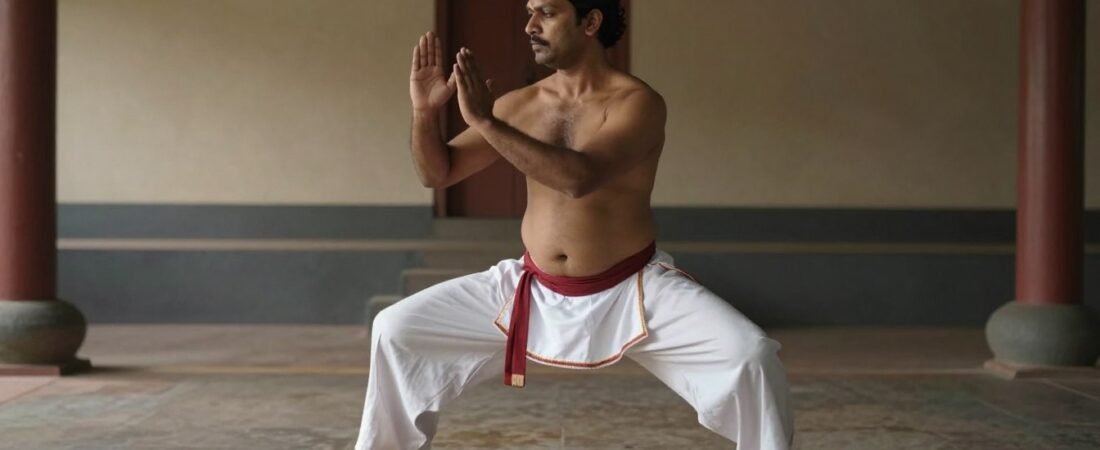
Names and methods can vary between lineages. Learn Kalaripayattu training from a qualified instructor, especially when practicing deep postures, fast transitions, or advanced kicks.
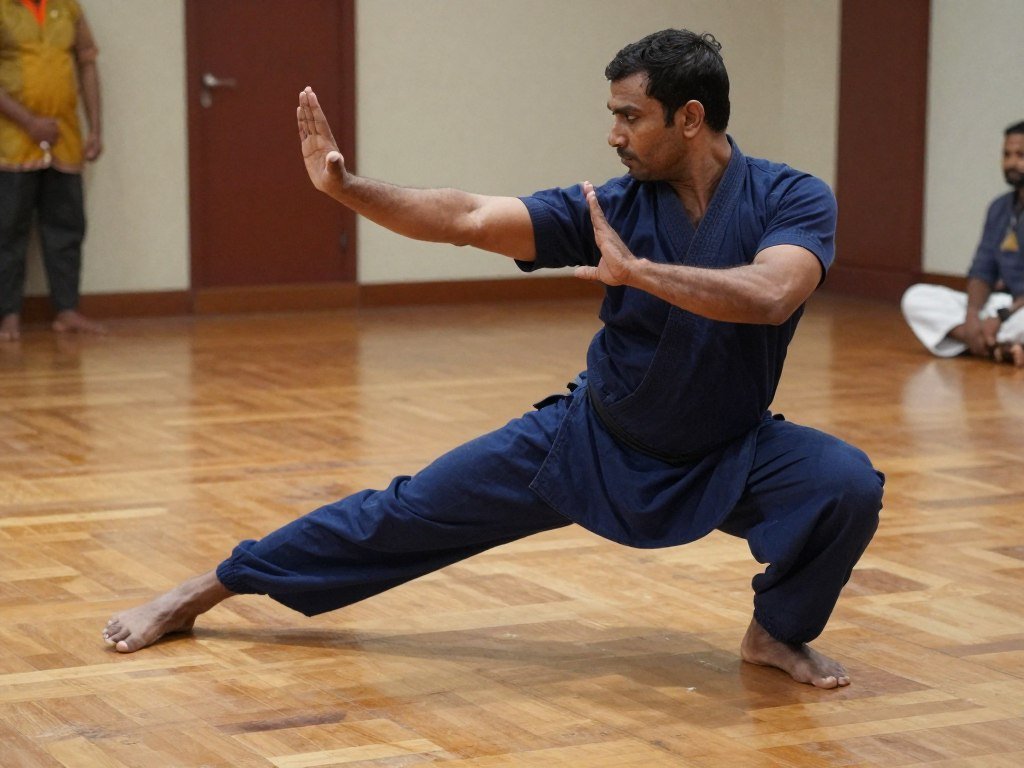
Introduction to Ashtavadivu: The 8 Core Animal Stances of Kalaripayattu
Ancient Martial Observation Meets Human Movement
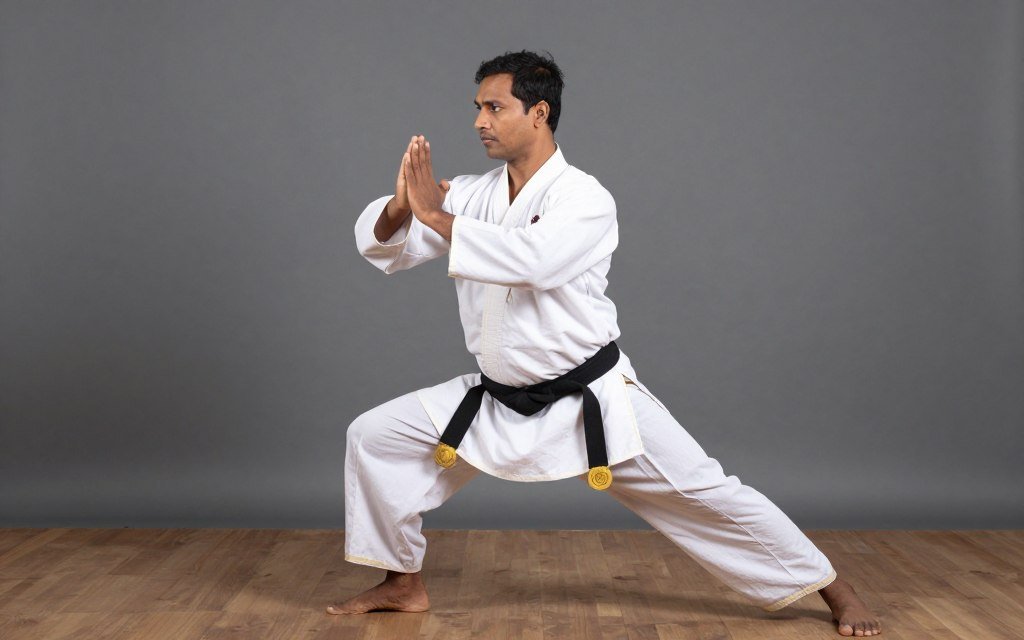
The word Ashtavadivu is commonly understood as “eight forms” or “eight postures.” Vadivu means a shaped form, stance, or body expression. The animal postures kalaripayattu traditions teach are inspired by qualities noticed in animals, such as the elephant’s stability or the lion’s forward pressure.
These animal forms do not claim that a human becomes an animal. Instead, they organize attention. The practitioner studies how a body can lower, rise, turn, spring, and recover with precision.
The Role of Animal Postures in Kalari Combat Readiness
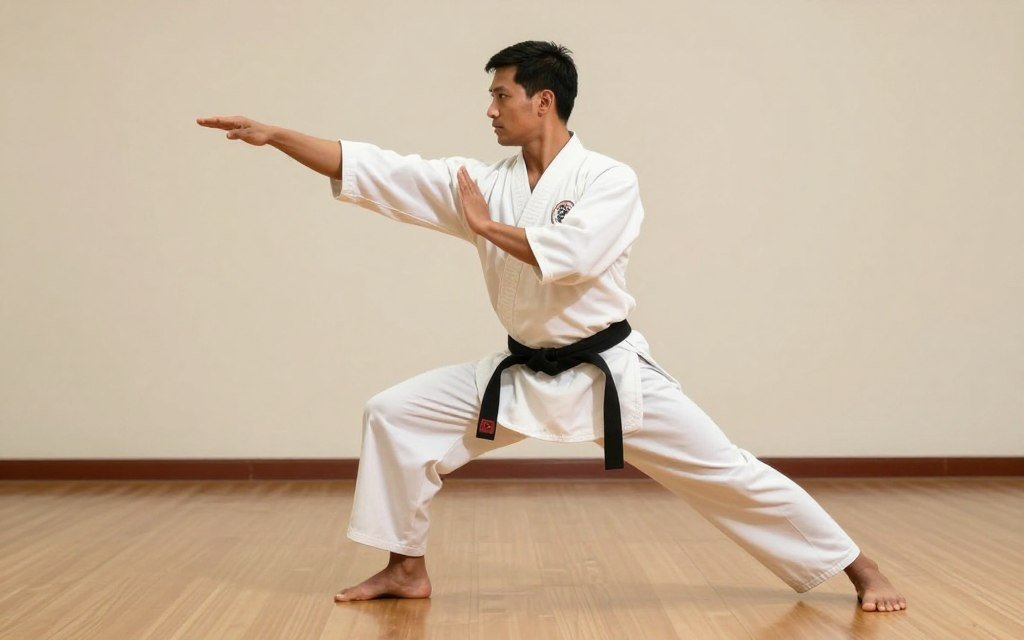
A stance gives movement a starting point. It helps a practitioner manage balance, distance, timing, and direction. The goal is not to hold a pose forever. The goal is to move from one form into another with control.
Traditional practice also includes breath, gaze, rhythm, and partner awareness. These elements help explain why animal postures are more than general exercise.
Structural Biomechanics of Kalaripayattu Stances
Lower-Body Torque, Pelvic Alignment, and Ground Connection
Lower-body torque is the turning force created when the feet, knees, hips, and trunk work together. In a strong stance, the feet connect with the floor while the pelvis stays organized over the legs. This connection can support efficient movement.
Pelvic alignment does not mean forcing the hips into one fixed position. It means finding a stable position for the task. A teacher may adjust the feet, knees, or spine to reduce strain and improve control.
Weight Distribution and Center of Gravity Control
The center of gravity is the point where body weight is balanced. Lowering it can make a stance feel more stable. Shifting it can prepare the body to step, turn, or drive forward.
Good posture is active. It uses strength without unnecessary tension. Balance, joint mobility, and precise foot placement help the practitioner move fluidly rather than collapse into the position.
Deep Dive into the Primary Ashtavadivu Forms
Gajavadivu (Elephant Stance): Grounded Power and Structural Integrity
Gajavadivu, or gaja vadivu, is often linked with the elephant. The image suggests grounded strength, stable support, and calm power. The elephant posture may use a broad base and controlled lowering, but the exact shape differs between schools.
Simhavadivu (Lion Stance): Explosive Spring Potential and Forward Pressure
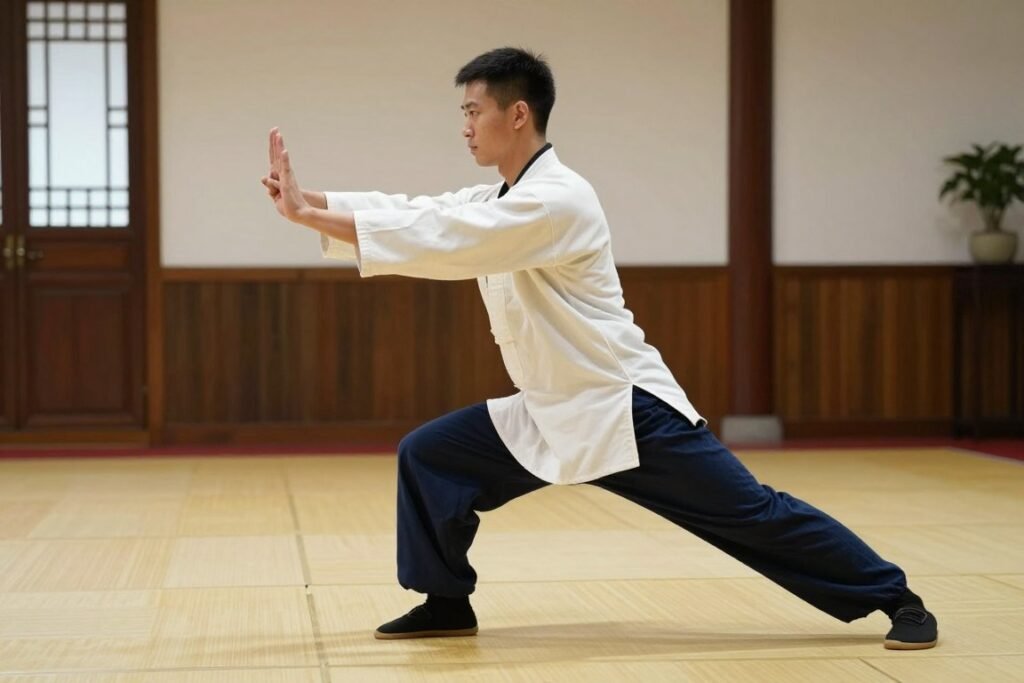
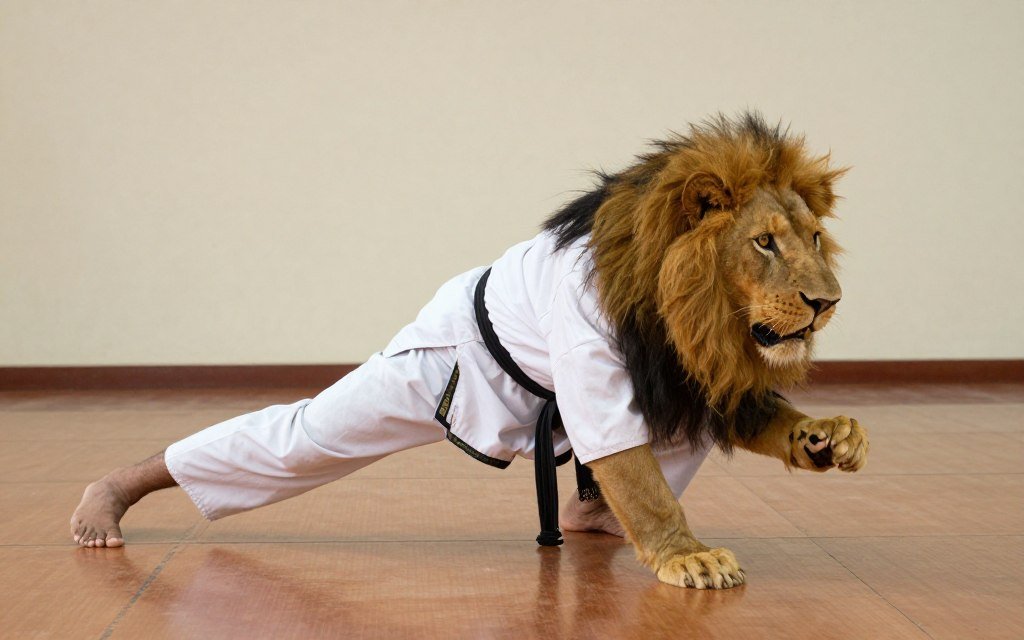
Simhavadivu, also called simha vadivu, is associated with the lion. It can emphasize courage, forward pressure, and readiness to spring. The lion posture should not be forced into a dramatic shape. Its value lies in controlled intent and quick recovery.
Ashvavadivu (Horse Stance): Rotational Mobility and Stored Elastic Energy
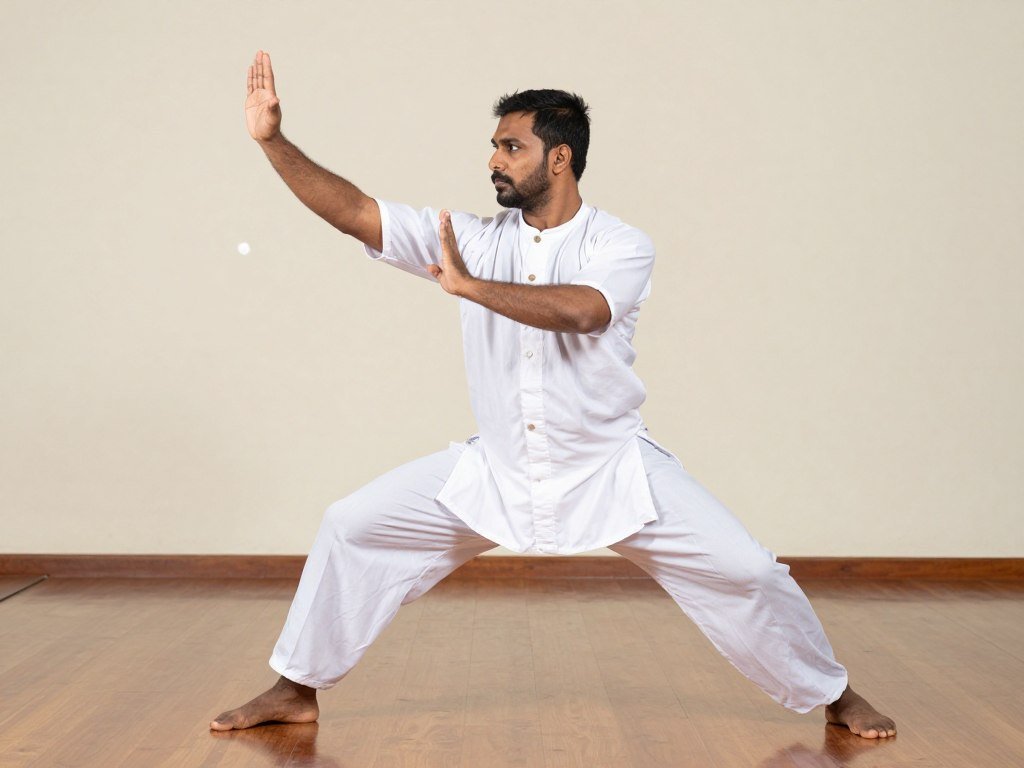
Ashvavadivu, or ashwa vadivu, draws inspiration from the horse. It may train a wide base, leg strength, rotational mobility, and the ability to change direction. The horse posture can feel demanding, so beginners should build time and range slowly.
Mayuravadivu (Peacock Stance), Marjaravadivu (Cat Stance), and Serpent Forms
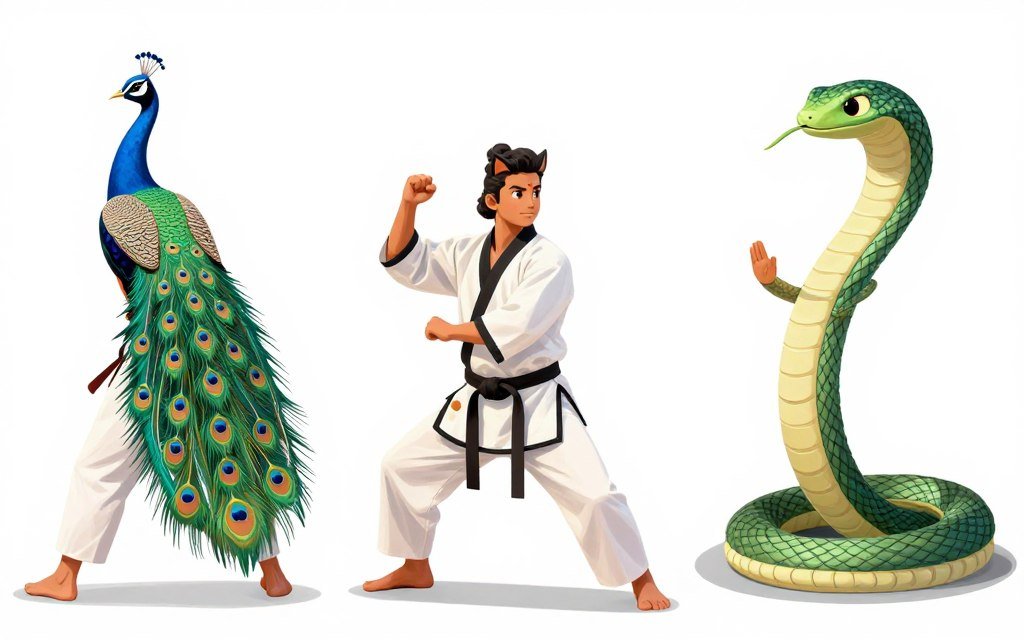
Mayuravadivu is linked with the peacock and may highlight balance, upright control, and grace. Marjaravadivu, or marjara vadivu, is associated with the cat and can emphasize quiet footwork, agility, and responsive transitions.
Serpent forms, sometimes called sarpa vadivu, may use flowing spinal and hip movements. Some teaching systems also discuss kukkuda vadivu, or a rooster form, and a boar posture. These terms are not universal. Names, animal forms, and practice order vary by lineage.
The Meithari Stage: Dynamic Flexibility and Body Conditioning
Leg Swings (Kalukal) and Core Flexibility Sequences
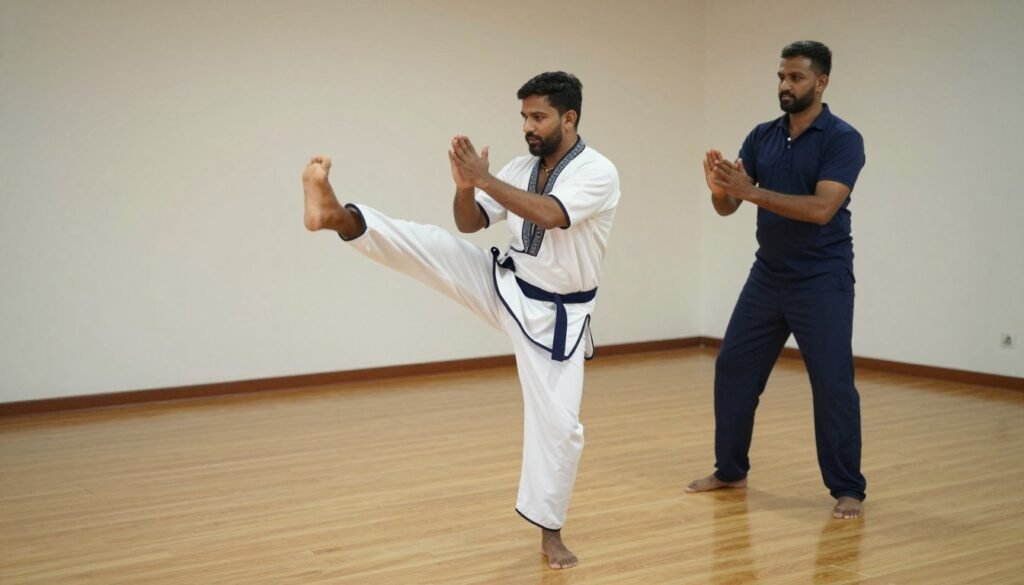
Meithari is commonly described as a stage of body training in Kalaripayattu. It develops coordination, strength, balance, dynamic flexibility, and movement control. Kalukal, including leg swings and related actions, prepares the legs for larger movements.
Begin with a supported leg swing. Keep the trunk tall, move through a small range, and stop before the hips twist. Add height only when control remains steady. Core flexibility sequences should feel active, not forced.
Fascial Elasticity and Joint Longevity in Kalari Practitioners
Fascia is connective tissue that surrounds and links body structures. Practitioners may describe a feeling of fascial tension or elasticity during flowing movement. These terms do not prove a medical result.
Joint mobility depends on gradual exposure, strength, recovery, and individual structure. Do not bounce into end range or copy advanced techniques without supervision. Stop if there is sharp pain, numbness, or loss of control.
Integrating Kalari Animal Stances into Modern Movement Systems
Hip Mobility and Posterior Chain Benefits for Athletes
Modern athletes may use selected stance ideas to explore hip mobility, posterior-chain strength, balance, coordination, and martial fitness. The posterior chain includes muscles along the back of the body, such as the glutes and hamstrings. These modern uses are interpretations. They should not replace the cultural and technical system of Kalaripayattu. A gym drill may borrow a stance shape, while traditional practice includes a broader discipline and teaching relationship.
Developing elite physical conditioning through traditional Indian martial arts requires a balance of lower-body torque and precise posture alignment. Whether practicing the lion posture, horse posture, or elephant posture, each animal form teaches the practitioner how the legs and core work in unison to generate grounded power. By incorporating these foundational stances alongside dynamic leg swings and structural flexibility exercises, athletes can improve hip mobility, strengthen the posterior chain, and protect long-term joint health
Practical Conditioning Drills for Modern Cross-Training
Try a short, beginner-friendly sequence after a general warm-up:
- Hold a comfortable horse-inspired stance for three slow breaths.
- Shift weight from one foot to the other without the knees collapsing inward.
- Perform five small controlled leg swings on each side.
- Step forward, lower slightly, and return without losing balance.
- Rest, then repeat for two rounds.
Progress by adding time, not by forcing depth. Keep one hand near support when balance is limited. A qualified practitioner should check any drill that resembles an advanced animal form.
Frequently Asked Questions About Kalaripayattu Stances
What is Ashtavadivu?
Ashtavadivu is a group of eight animal-inspired Vadivu, or forms, used in some Kalaripayattu lineages. The names and methods may differ.
How does Ashtavadivu relate to Meithari?
Meithari is a body-conditioning stage that may include stance work, Kalukal, flexibility, strength, balance, and transitions. Ashtavadivu can be part of that wider training context.
Can beginners practice the stances?
Yes, beginners can learn simplified versions under supervision. Start with balance, breathing, foot placement, and control. Do not force range or imitate advanced movements.
What benefits may develop?
Consistent practice may develop coordination, balance, strength, agility, mobility, and body awareness. Results vary. The stances do not guarantee a specific therapeutic outcome.
How is Kalaripayattu training different from general conditioning?
General conditioning often isolates fitness goals. Kalaripayattu training connects posture, rhythm, animal inspiration, transitions, combat readiness, and cultural instruction within a larger system.