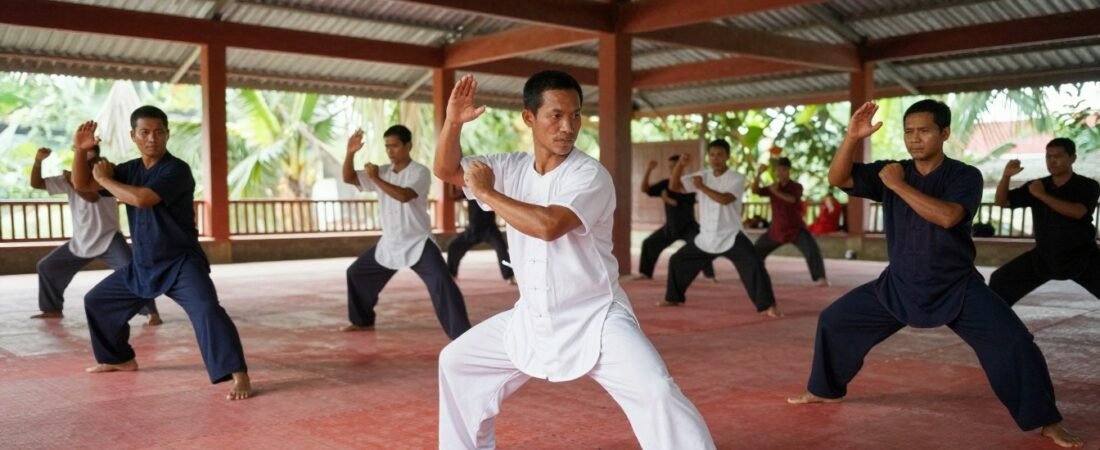
What Is Bokator?
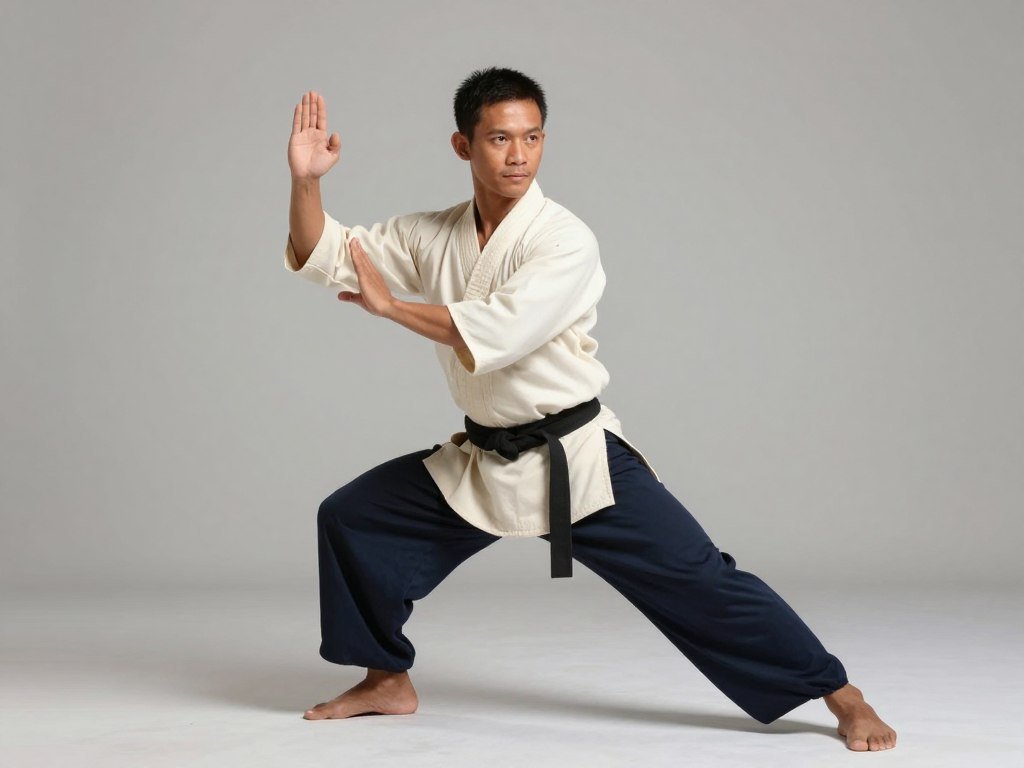
Bokator, also written as Kun Lbokator, is a Cambodian combat art with a strong cultural and historical identity. It includes strikes, throws, locks, ground fighting, and weapons work. Its movement vocabulary may draw from animals, objects, and traditional combat ideas.
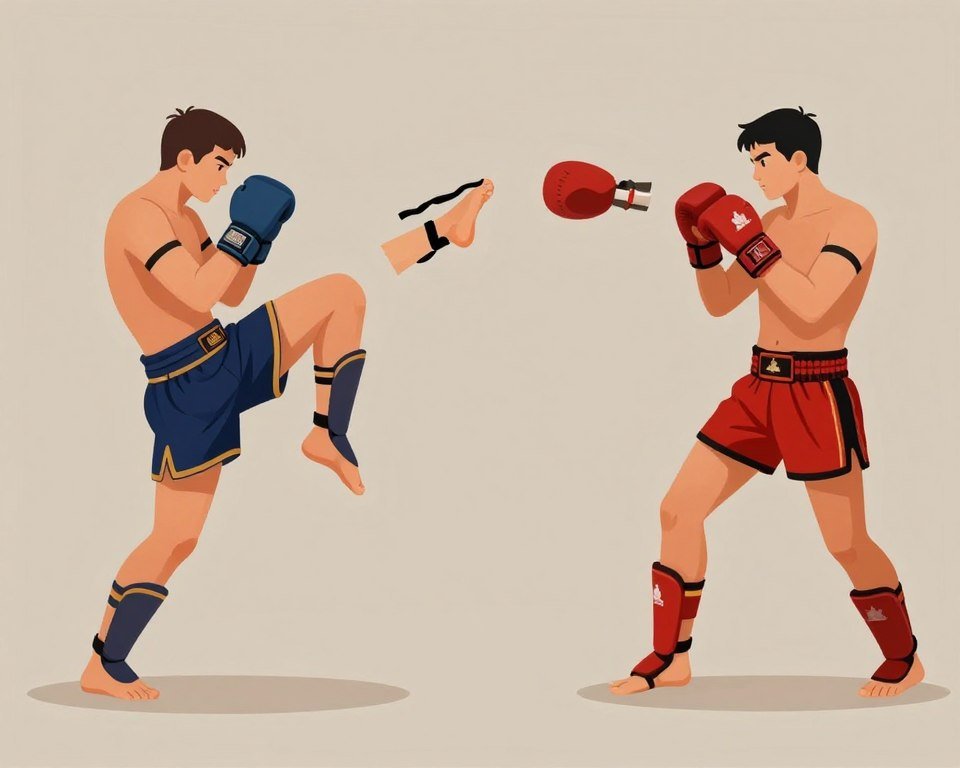
It is not simply another form of muay thai. Muay Thai places major focus on boxing, kicks, knee attacks, elbow strikes, clinch work, and ring competition. Bokator covers a wider set of martial arts skills, including grappling, ground control, and traditional weapons.
History and cultural significance
Cambodian martial traditions suffered major disruption during the Khmer Rouge period. After that era, teachers and cultural groups worked to preserve knowledge, forms, training methods, and traditional weapons. Modern Bokator therefore has both a combat purpose and a heritage role.
Bokator, Muay Boran, and Muay Thai are different
Muay Boran describes older Thai fighting traditions and is often taught through forms, conditioning, and close-combat techniques. Sport Muay Thai follows rules designed for competition. Bokator may share elbows, knees, kicks, and clinch actions with these arts, yet its syllabus and cultural setting can be different.
How Progression and Belt Levels Usually Work
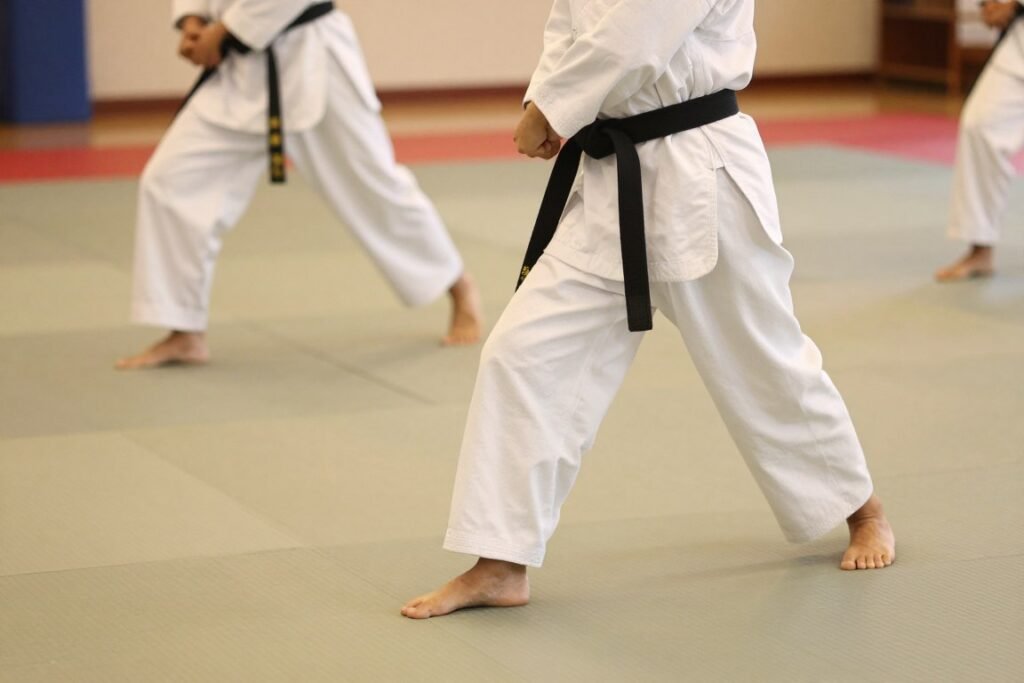
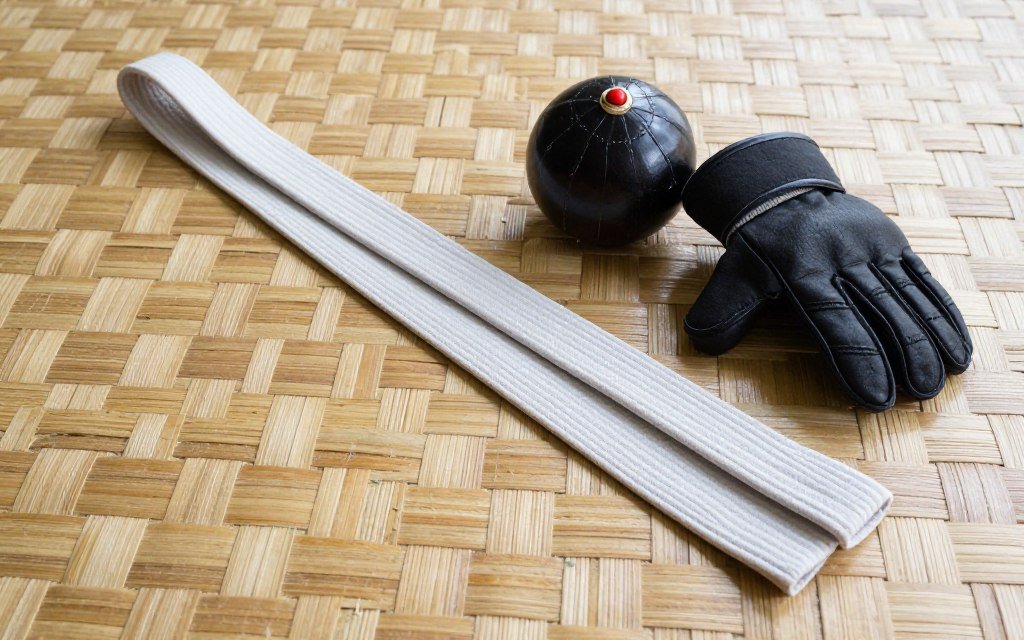
There is no single globally accepted belt chart that every Bokator school must follow. Some organizations use colored belts or sashes. Others use levels, certificates, teacher recommendations, or performance in a formal demonstration. A belt system may help a school organize lessons, but it should not be treated as universal proof of rank.
| Progress stage | Common focus | What to verify |
| Beginner | Stance, balance, safety, basic strikes, kicks, and movement | Class syllabus and attendance expectations |
| Developing student | Combinations, defensive reactions, partner drills, and conditioning | Required techniques and sparring rules |
| Advanced student | Timing, control, grappling, ground fighting, and teaching support | Assessment standards and instructor authority |
| Instructor level | Technical depth, safe instruction, history, and leadership | Federation or school recognition |
What does each rank mean?
A beginner rank normally signals basic safety and movement knowledge. A middle level may show reliable combinations, partner control, and improved conditioning. Higher levels often involve broader technique, stronger judgment, and the ability to help others learn.
These meanings are practical descriptions, not a universal official translation. One school’s advanced level may not match another school’s advanced level. Ask for the written syllabus before comparing a belt with a black belt in another martial art.
Skills that may support advancement
- Safe posture, balance, breathing, and controlled power
- Accurate hand strikes, kicks, knee actions, and elbow strikes
- Partner awareness during throws, locks, and close combat
- Ground fighting positions, escapes, and controlled grappling
- Knowledge of training etiquette, history, and cultural significance
- Responsible handling of traditional weapons when included in the program
How Bokator Grading Is Conducted
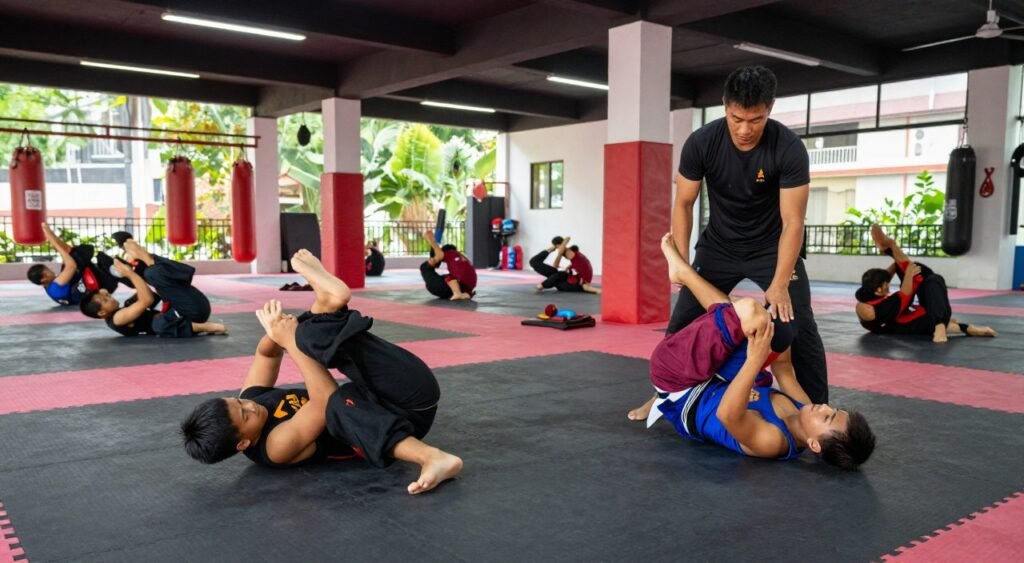
Grading may combine technical demonstration, partner drills, physical preparation, and an interview or explanation of the art. The instructor may look at control rather than raw strength. A safe student who understands distance and restraint may be judged more positively than a powerful student who loses control.
Testing can happen on a scheduled day, at a seminar, or after the instructor believes the student is ready. Attendance, conduct, and consistent training may matter. Some schools also assess forms, weapons, or teaching ability at higher stages.
Questions to ask before joining
- Which federation or teacher recognizes the levels?
- Is the belt chart written and available to students?
- Are grading fees, attendance rules, and retest rules clear?
- Does the school separate sport sparring from traditional practice?
Signs of a careful assessment
- Clear safety standards for strikes and grappling
- Age-appropriate drills and protective equipment
- Specific feedback after the test
- No promise of instant mastery or guaranteed combat ability
Bokator Ranking System FAQ
How does a beginner start Bokator?
Start with a reputable school that explains its syllabus, safety rules, teacher background, and grading process. Beginners normally learn stance, movement, basic strikes, kicks, conditioning, and partner etiquette before advanced grappling or weapons work.
How long can progression take?
The timeline depends on training frequency, age, fitness, attendance, and the school’s standards. A fixed promise is unreliable. Ask how many classes are expected before each assessment and whether skill quality matters more than time served.
Is Bokator ranking comparable with a black belt?
Only with caution. A Bokator belt or level may describe achievement inside one school or federation. It does not automatically equal a black belt in karate, judo, taekwondo, or another martial art. Compare the actual syllabus and assessment standard.
Do rankings vary between countries?
Yes. Schools, federations, and national programs may organize levels differently. Some emphasize traditional forms and cultural knowledge, while others give more time to sport practice, fighting drills, or modern coaching. Treat local documentation as local unless a recognized body states otherwise.
The Traditional Krama Grading Structure: From White to Gold
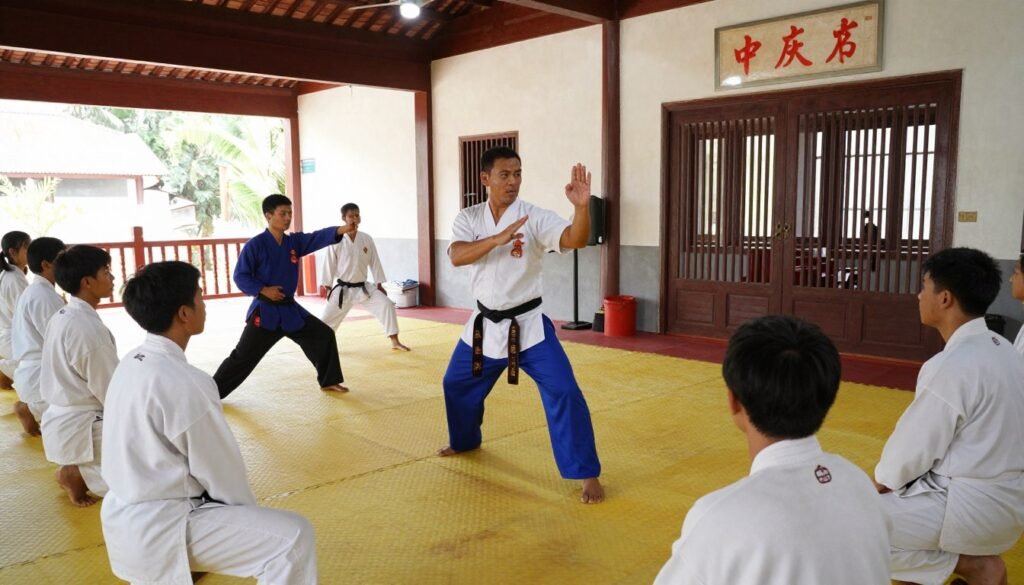
While many modern schools adapt colored belts or standardized certificates for convenience, the traditional heart of Bokator grading revolves around the Krama—the traditional checked cotton scarf worn around the waist or head.
White Krama (Beginner): Represents purity of intent and the starting point of learning. Students focus entirely on foundational stances, basic footwork, safe falling, breathing mechanics, and simple strikes.
Green Krama: Indicates that the student has developed solid body control, basic conditioning, and an understanding of partner safety during cooperative drills.
Blue Krama: Signifies intermediate competence. Practitioners begin exploring complex striking combinations, defensive reactions, and introductory animal forms (Kbach).
Red Krama: Represents an advanced student who has mastered intense physical conditioning, fluid movement transitions, and intermediate weapon or grappling concepts.
Brown Krama: Denotes a senior student nearing instructor level, demonstrating high technical precision, deep cultural understanding, and leadership qualities in the training hall.
Black and Gold Krama: Reserved for masters and senior instructors who have dedicated decades to preserving, teaching, and passing on the living heritage of Bokator.
The Philosophy of Testing: Beyond Physical Power
Unlike modern combat sports where testing is often measured purely by a referee’s scorecard or a knockout ratio, Bokator grading evaluates the whole martial artist. Because the art draws from ancient survival strategies used on historical battlefields, grading panels look closely at internal qualities rather than just exterior aggression.
Control and Restraint: An advanced student must demonstrate the ability to pull a strike at the last fraction of a second. Knowing when not to apply maximum force is considered a higher mark of mastery than raw power.
Spatial and Partner Awareness: In traditional training, your partner is your training asset, not an enemy to be destroyed. Grading assessments monitor how safely a practitioner executes throws, locks, and ground transitions without risking injury to their peers.
Cultural and Historical Understanding: Higher-level gradings often incorporate an oral or explanatory element. A true practitioner should know the names of foundational stances (such as Krapeu or Chay Yam), understand the significance of the UNESCO intangible cultural heritage recognition, and respect the lineage of teachers who survived the Khmer Rouge era to revive the art.The Bokator ranking system is best understood as a school or federation framework, not one worldwide belt chart. Progress usually reflects technical control, training habits, physical preparation, cultural knowledge, and safe partner work. Because standards vary, the most useful step is to request written requirements and ask who recognizes the rank. That approach helps beginners compare Bokator with Muay Thai and other martial arts without overstating uncertain details.
Conclusion
In traditional Cambodian culture, the Krama is a daily multi-purpose garment, but in the context of Kun Lbokator, the color and tier of the Krama signify a student’s technical milestone, endurance, and dedication. While systems can vary by federation or master, a traditional progression generally moves through distinct colored stages: