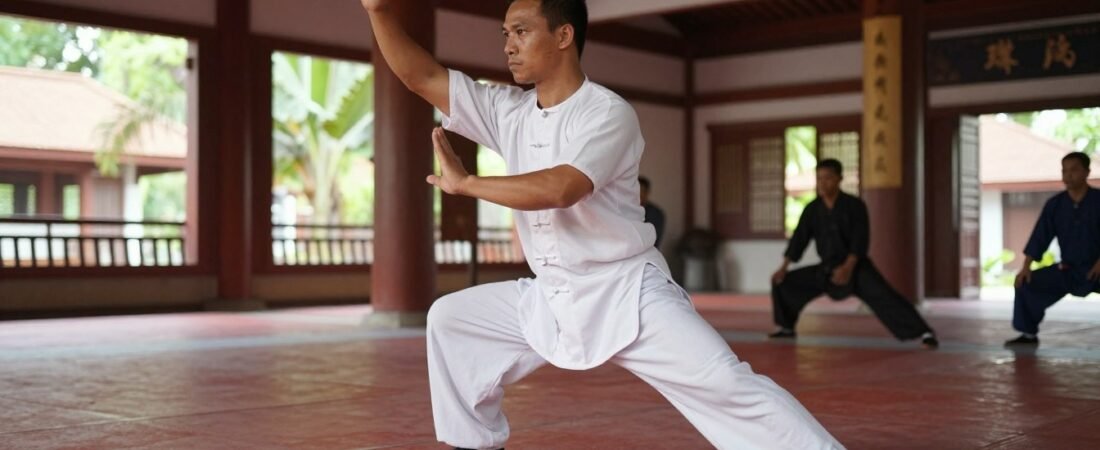
Opening image: a modern practice setting showing a practitioner performing a Cambodian cultural form.
What is Bokator? The Ancient Khmer Battlefield Art
Bokator, also written as Kun Lbokator or Kun Bokator, is a Cambodian martial art associated with Khmer identity and cultural heritage. This broad martial art may include striking, throws, locks, ground mechanics, animal stances, weapons traditions, ceremonial practice, and forms. Different schools and lineages may use different spellings, classifications, and teaching sequences, so no single modern curriculum represents every Bokator tradition.
The description “ancient martial art” reflects Bokator’s claimed Khmer roots and cultural significance, but it should not be treated as proof that every present-day technique survived unchanged from the Angkor era. Some knowledge may come through oral transmission, while other techniques were organized, adapted, or reconstructed during the modern revival. Its philosophy connects movement with pressure, timing, alertness, adaptability, identity, and disciplined practice.
Etymology: Pounding a Lion (Bok & Tor Legend)
The name is commonly explained through a traditional story about a person defeating or pounding a lion. The precise translation, spelling, and linguistic interpretation vary across sources and transliteration systems. The lion remains important as a teaching image: animals help practitioners understand combat strategies involving pressure, timing, power, evasion, balance, and control. Fighting is one part of the art, alongside ceremony, memory, instruction, and community identity.
UNESCO Recognition and Cambodian Cultural Identity
Kun Lbokator was inscribed in 2022 on UNESCO’s Representative List of the Intangible Cultural Heritage of Humanity. This recognition supports the art’s cultural importance, visibility, and transmission. It does not automatically verify every claim about antiquity, every named technique, or every lineage.
UNESCO recognition describes a living tradition and its intangible cultural heritage: knowledge, performance, transmission, identity, and community value. In other words, the representative list intangible cultural heritage designation should not be used as proof of an uninterrupted technical curriculum. Historical claims about Bokator still require separate evidence from documents, temple imagery, oral histories, and responsible martial arts scholarship.
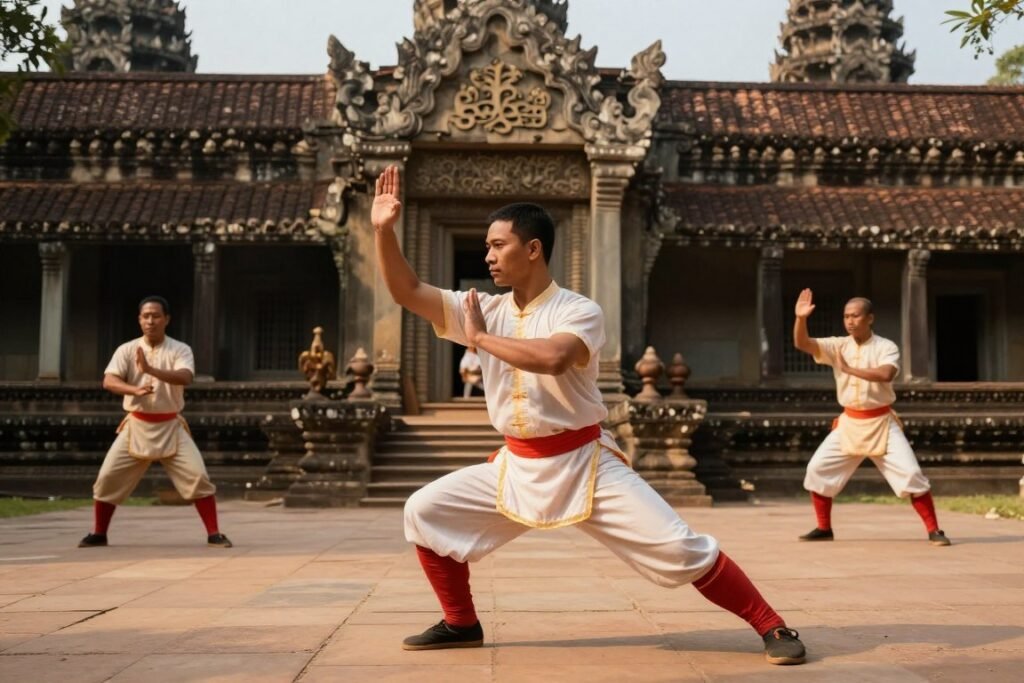
Cultural context image: the Cambodian martial art is presented as living heritage rather than a museum object.
Historical Origins: From Angkor Wat Bas-Reliefs to Modern Revival
The history of Bokator requires a layered method. Researchers can compare documented history, temple imagery, oral tradition, community memory, and modern reconstruction, but these sources do not carry equal evidentiary weight. Angkor Wat bas-reliefs and other Khmer temples show armed figures, processions, warriors, clothing, weapons, and scenes connected with royal power. They provide valuable historical context for the roots of Cambodian culture and this martial art, but they do not present a complete curriculum.
The Khmer Empire Battlefield System: King Suryavarman II and Jayavarman VII
Angkor Wat was commissioned during the reign of King Suryavarman II. The later reign of Jayavarman VII marked another major era of imperial building, administration, and military activity. Reliefs at Angkor Wat and other temples help explain the Khmer Empire’s visual world, including status, equipment, movement, and ideas about combat. They should not be treated as a direct inscription of modern Bokator techniques.
Ancient Khmer battlefield combat strategies also operated in conditions unlike a modern one-on-one sport match. Uneven ground, clothing or armor, weapons, formations, multiple opponents, and survival priorities could shape decisions. A relief may support a historical interpretation, but it cannot prove that a particular modern elbow, throw, or animal form continued unchanged across every era. The connection between temple art and present practice may instead involve oral history, cultural memory, or later reconstruction.
The Khmer Rouge Regime Suppression and Near-Extinction
The Khmer Rouge regime caused catastrophic loss of life and severely damaged Cambodian culture, education, religious life, and artistic transmission. Teachers, artists, community leaders, and masters were targeted, displaced, or separated from their students. The disruption affected many forms of knowledge, including martial traditions. Any account of Bokator’s survival must therefore recognize both personal memory and the wider cultural recovery that followed the Khmer Rouge era.
Grandmaster San Kim Sean: The Father of Modern Bokator
San Kim Sean is widely associated with the modern revival of Bokator. Reliable accounts describe San Kim Sean’s role in preserving, organizing, teaching, and promoting the art after years of disruption. The revival should not be reduced to a single invention story: San Kim Sean worked within a broader network of teachers, communities, and masters who contributed knowledge and cultural memory. References may shorten his name to San Kim or Kim Sean, but the full name San Kim Sean should remain consistent.
When discussing San Kim, Kim Sean, or San Kim Sean, distinguish documented biography from oral tradition and modern interpretation. San Kim Sean’s importance lies in helping create a teachable contemporary system, not in proving that every element can be traced directly to Angkorian sources. This approach respects the martial art, its Cambodian cultural roots, and the communities that sustained its revival.
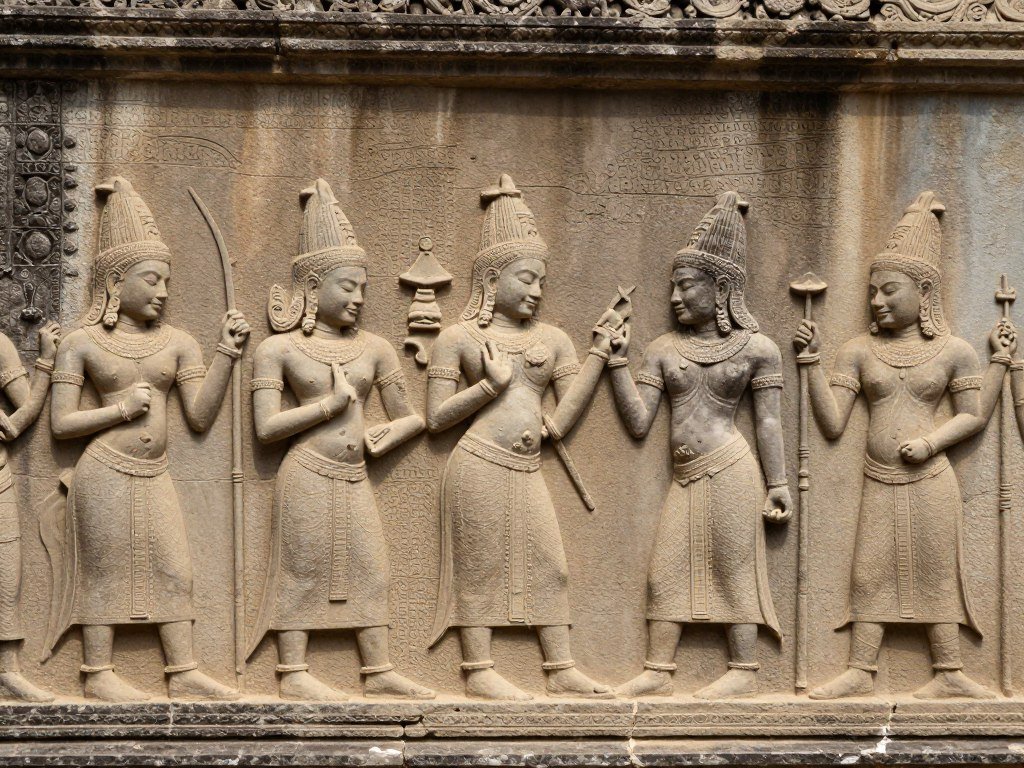
Evidence image: Angkor Wat temple reliefs provide visual context, but they are not a complete modern training manual.
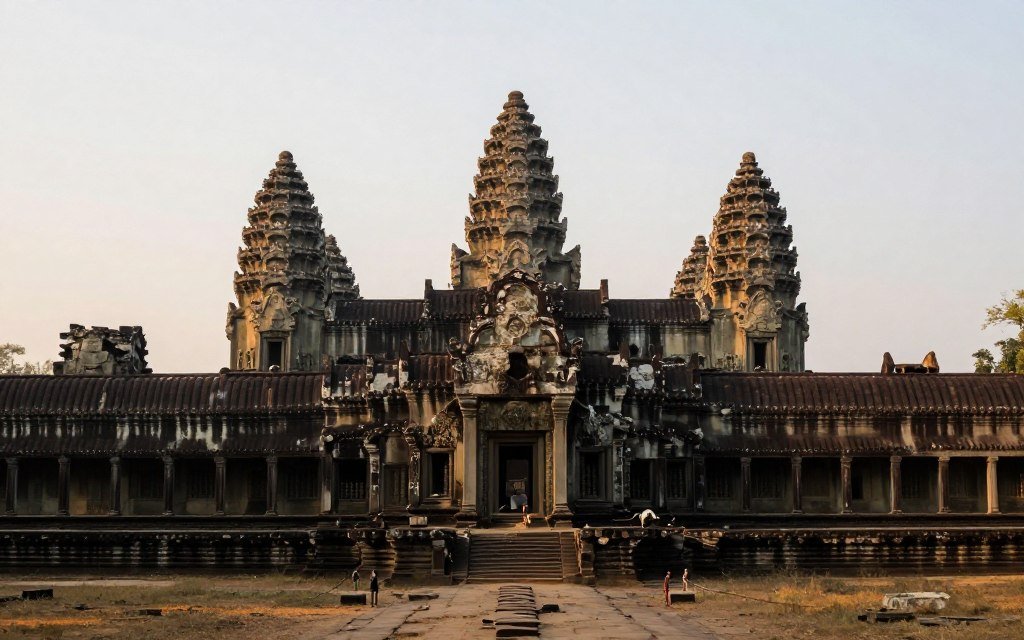
The Angkor landscape helps explain why temple imagery remains central to discussions of Cambodian martial history and cultural heritage.
The Krama Ranking System & Traditional Attire
The krama is a familiar Cambodian textile with practical, ceremonial, and cultural meaning. In some Bokator schools, a colored krama marks progress through training levels, but the colors, order, and testing standards vary by organization and lineage. This system reflects Cambodian culture and living cultural heritage without proving that every modern ranking practice is ancient.
Scarf Progression from White to the Gold Master Krama
Some schools describe progression from a white krama through darker or more advanced colors toward a gold Master Krama. This is not a universal standard across the art. A scarf may show a student’s stage of practice, but it cannot replace technical ability, teaching ethics, instructor authority, or community trust. Masters and schools may interpret rank differently.
Sacred Attire: Sangvar Cords and Sabay Sashes
Sangvar cords and sabay sashes may appear in ceremonial or traditional martial arts presentations. Their meanings can vary by lineage, event, and instructor; they may express protection, respect, identity, or continuity. Traditional attire should be distinguished from clothing used for modern competition, conditioning, or everyday practice.
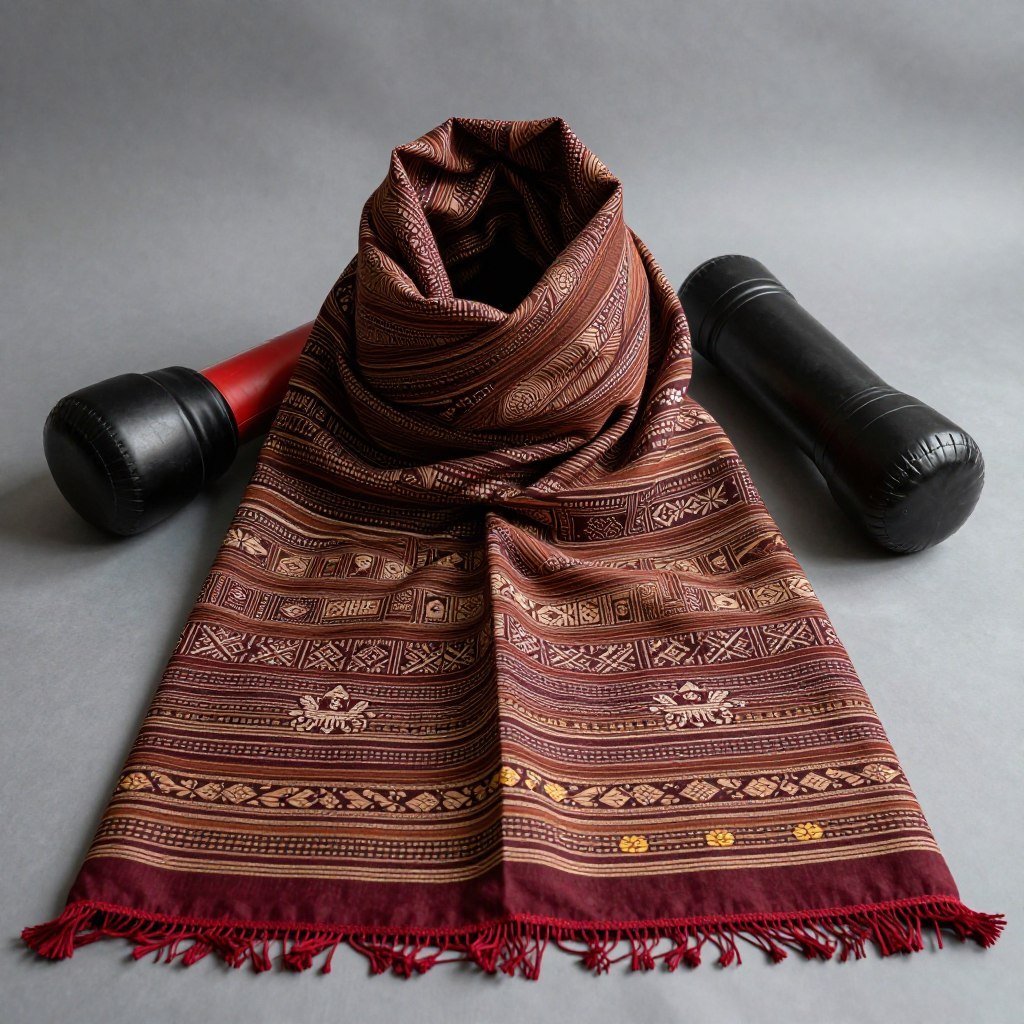
A krama may serve practical, symbolic, or school-specific ranking purposes within Cambodian martial arts practice.
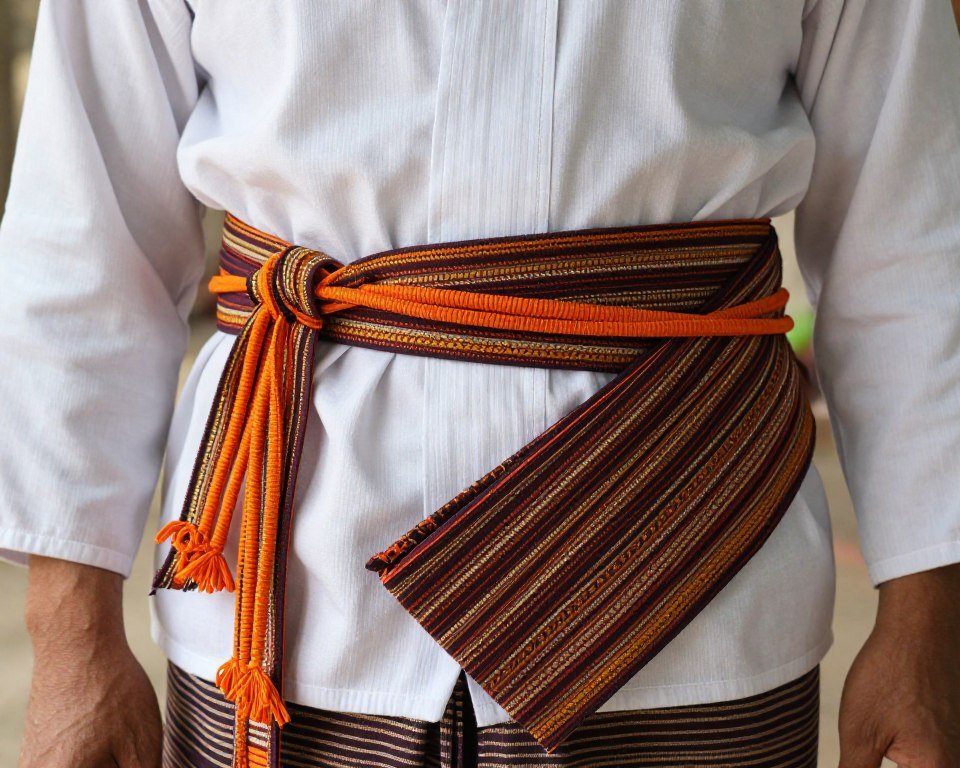
Ceremonial clothing can express lineage and respect; its meaning depends on context rather than decoration alone.
Core Biomechanics & Foundational Stances
Bokator biomechanics begins with the relationship between posture, base of support, breathing, hip mobility, and intent. A stance is not merely a pose: it organizes the feet, knees, hips, pelvis, spine, and shoulders so practitioners can receive, redirect, or produce force safely. In this martial art, efficient movement supports both traditional techniques and practical fighting, but individual anatomy determines how deeply or widely a person should position the body.
Chay Yam and Krapeu Alignment
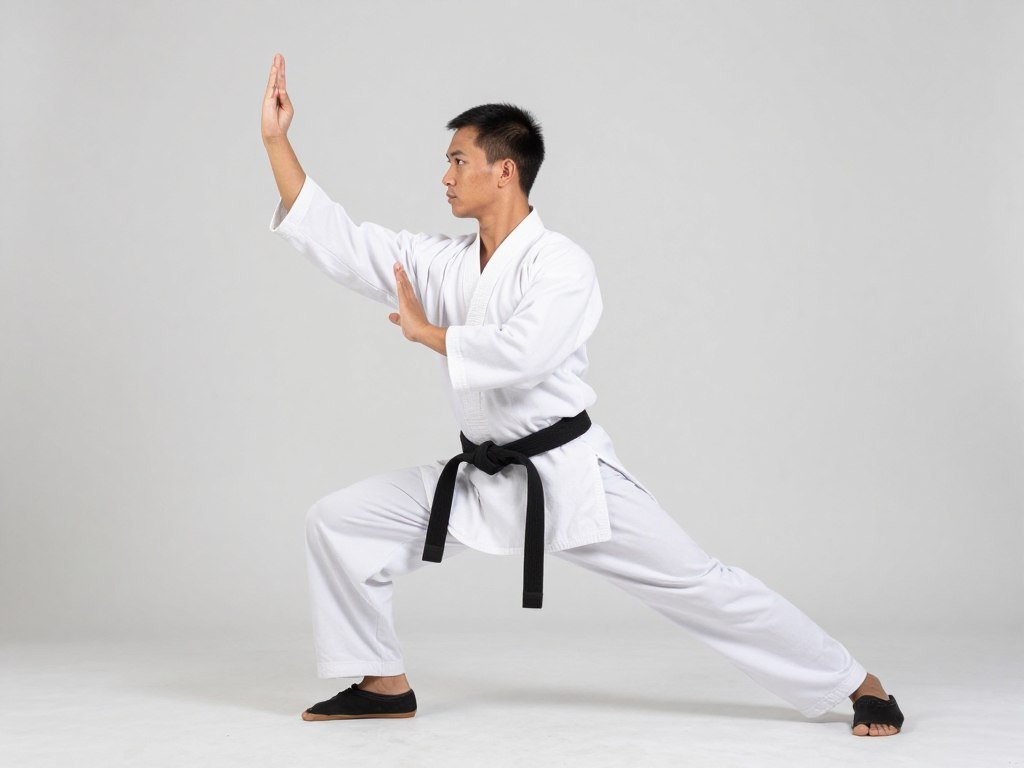
Chay Yam is often described as a structured warrior stance that emphasizes readiness and directional movement. The feet create a stable base, the knees track generally in line with the toes, the pelvis remains controlled, and the spine stays organized rather than rigid. Chay Yam should remain mobile enough for a practitioner to step, pivot, change angle, or recover instead of becoming a frozen posture.
Krapeu is described in some teaching contexts as a low animal stance, although the associated image and spelling may vary among schools. It demands greater hip mobility, ankle range, and adductor control. A low position should lower the center of mass without collapsing the lumbar spine or allowing the knees to fall inward. Joint alignment from foot to knee to hip helps distribute load, while hip rotation and pelvic control support changes of direction.
Joint Mobility, Hip Flexion, and Ground Balance in Deep Postures
Deep postures require controlled hip flexion, ankle mobility, knee tracking, and balance. Practitioners should preserve the ability to rise, step, pivot, or recover rather than forcing the body toward an arbitrary depth. Excessive heel lift or altered alignment may be appropriate in a specific school variation, but it should not be imposed without understanding the movement’s purpose and the student’s mobility.
Martial arts biomechanics also includes kinetic energy transfer. Ground reaction force travels from the feet through the legs, hips, trunk, shoulder, and striking limb. Well-timed sequencing transfers force more efficiently than isolated muscular effort; if one link collapses, the technique may lose speed or place stress on a joint. Hip mobility supports rotation and level changes, but flexibility alone does not create power. Progressive mobility drills, strength work, balance training, and qualified coaching should adapt every movement to the individual.
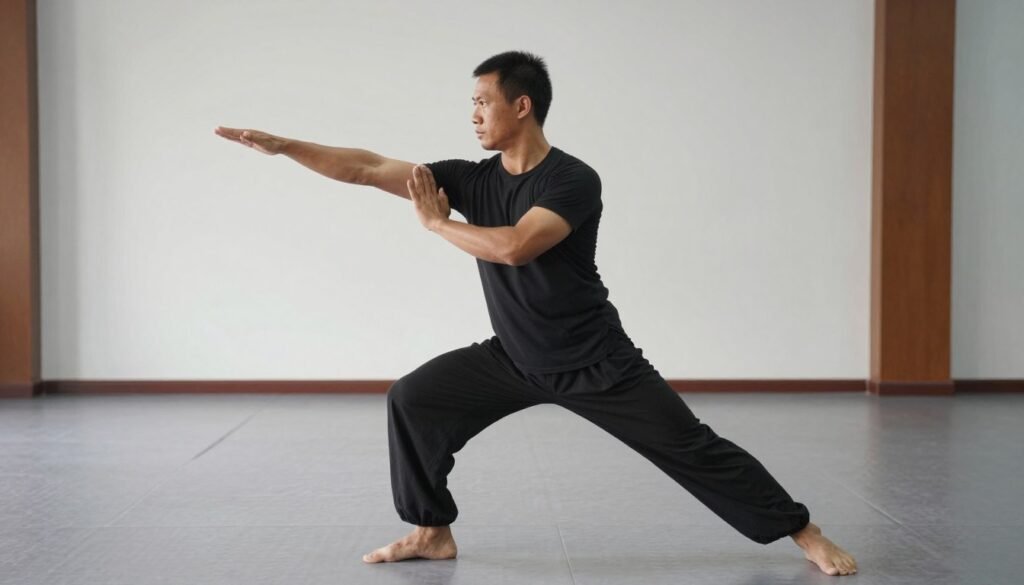
The image should show Chay Yam alignment, balance, and mobility rather than a dramatic or unsafe pose.
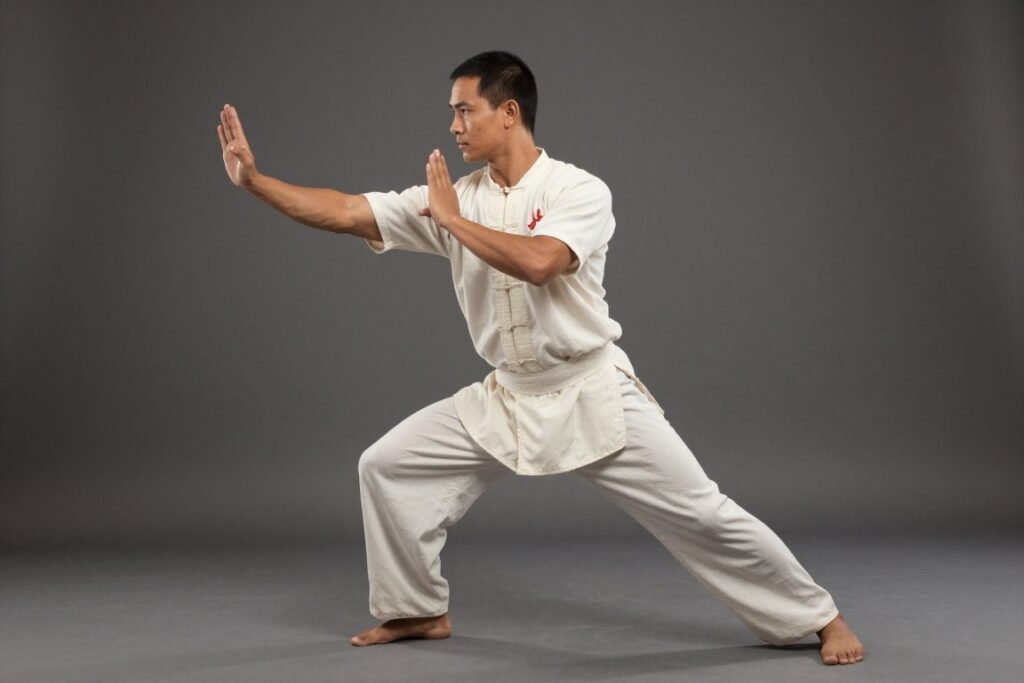
Low Krapeu stances should be taught progressively and adapted to the student’s hip, ankle, and knee mobility.
The Animal-Inspired Forms (Kbach)
Kbach can be understood as a system of patterns, shapes, or movement vocabulary. In Bokator martial art, animal forms give practitioners a memorable language for studying balance, rhythm, pressure, evasion, and control. Their names and interpretations may differ among lineages, so the animals should be treated as teaching metaphors rather than proof of an unchanged ancient curriculum or literal imitation.
Labokatao and Elephant Forms: Heavy Impact and Power Generation
Labokatao is often linked with the lion and may represent direct pressure, commitment, and commanding movement. Elephant forms suggest stable forward force, weight, and grounded power. These forms help martial artists study how posture, intent, and body connection support techniques, but they do not mean that a practitioner must reproduce an animal’s movements in every detail.
Snake and Monkey Forms: Fluidity, Evasion, and Acrobatic Grappling
Snake forms are commonly explained through fluid redirection, coiling, and changes of angle. Monkey forms may emphasize deception, mobility, low movement, and sudden level changes. In practice, these images support the philosophy of teaching combat strategies through memorable qualities. Forms practice is different from live fighting or sparring, and acrobatic movements require progressive instruction, safe landings, and developed spatial awareness.
Crocodile and Eagle Forms: Low-Ground Trapping and Joint Manipulation
Crocodile imagery can describe low-ground control, pressure, and persistent movement. Eagle imagery may suggest reach, balance, and capture. Joint manipulation and partner techniques require qualified supervision, consent, controlled intensity, and clear communication. A responsible traditional martial arts lesson explains principles without offering step-by-step instructions for applying a lock to another person.
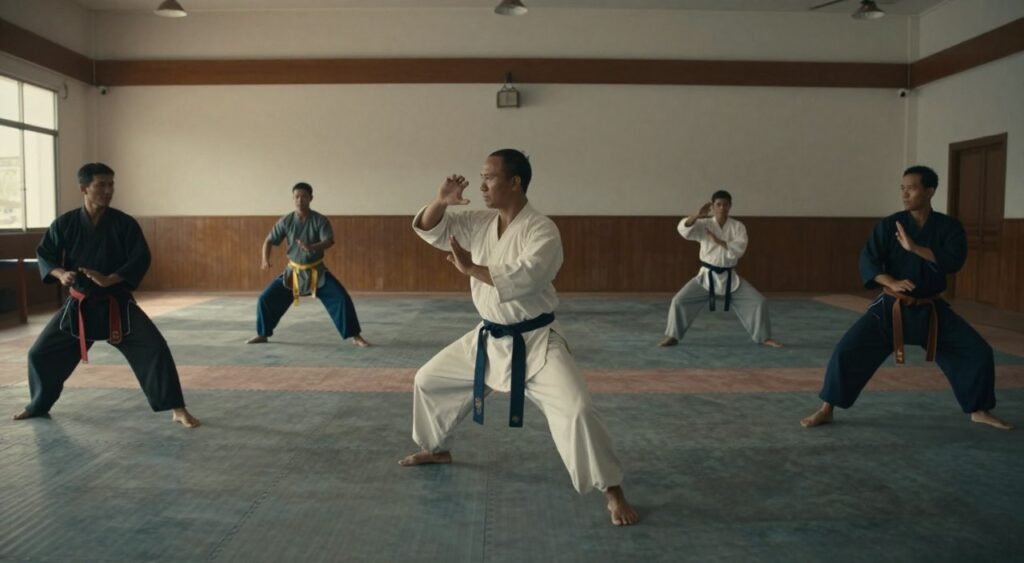
Animal stances work as teaching symbols for balance, rhythm, pressure, and response.
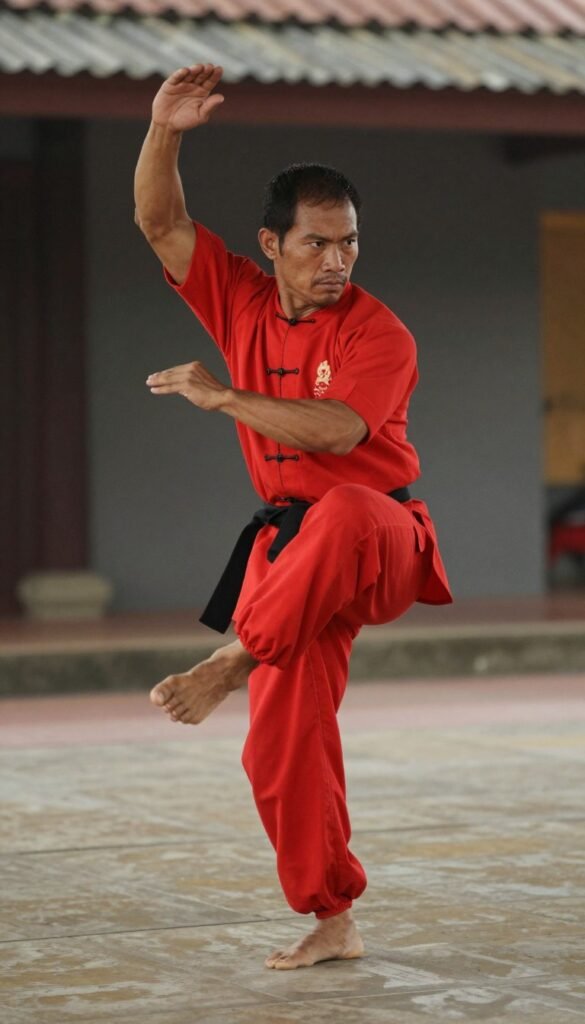
Forms should be presented as controlled movement studies, not theatrical claims of supernatural ability.
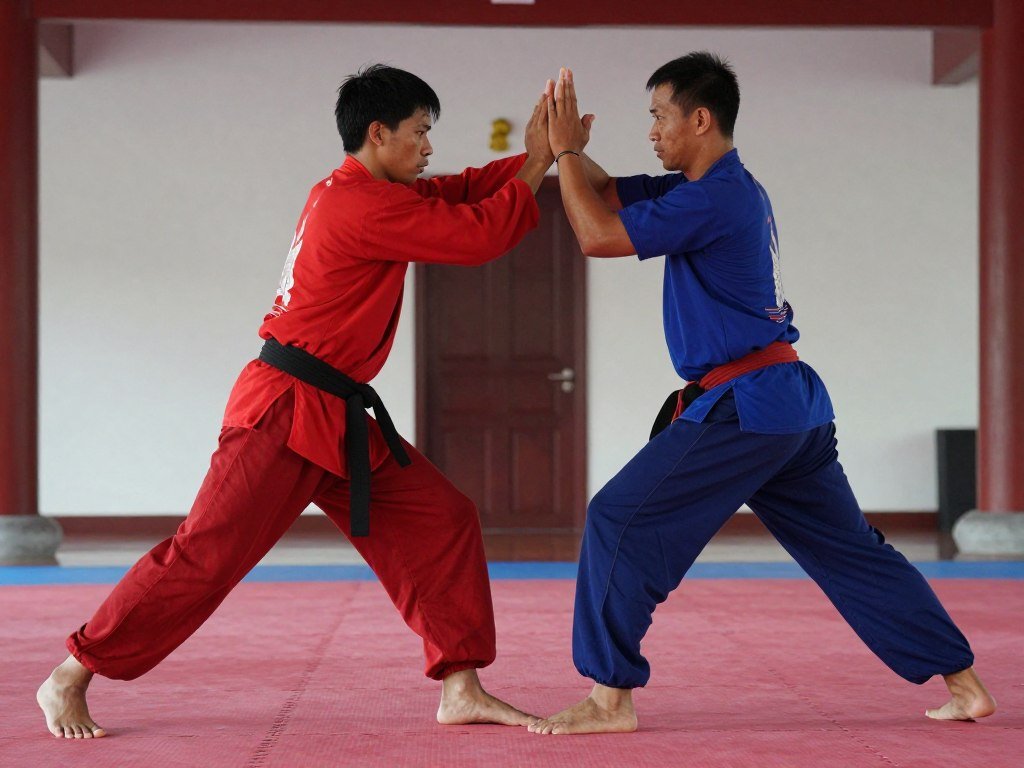
Partner work should prioritize communication, consent, and controlled intensity.
Tactical Striking & Grappling Arsenal
Bokator includes a broad technical vocabulary for striking, throwing, grappling, and ground movement. Spellings and meanings may vary because terms are transliterated from Khmer and taught through different lineages. The following explanations describe training concepts and historical combat strategies, not instructions for harming someone. Modern practice should distinguish a traditional martial art from an uncontrolled fighting situation.
Striking Mechanics: Sork, Roop, and Sdach Sva
Sork refers to elbow-based striking in many descriptions. Roop may refer to a category of body movement or striking terminology, depending on the school. Sdach Sva is often described in relation to a forceful punch toward the body. The technical point is the connection between distance, structure, rotation, and recovery.
Lower-body mechanics support effective techniques. The feet establish pressure against the ground, the hips initiate or amplify rotation, and the trunk transfers force toward the shoulder and striking limb. Kinetic energy transfer depends on sequencing, balance, relaxation-to-tension timing, and contact position. The striking limb should deliver force and return under control; power without balance reduces defensive options and increases injury risk.
Grappling Dynamics: Jruk Tajak and Battlefield Ground Striking
Jruk Tajak is commonly associated with a hip throw or throwing action, although terminology may differ by school. Throws depend on timing, posture breaking, base disruption, leverage, and a controlled landing. Historical battlefield assumptions may include uneven ground, clothing, weapons, multiple threats, and rapid disengagement. Those conditions differ sharply from a supervised sport match and should not be treated as a practical instruction manual.
Bokator Ground Mechanics vs. Modern Sport Grappling and BJJ
Bokator ground mechanics may prioritize rapid control, striking awareness, standing recovery, and weapons context. Brazilian jiu-jitsu, or BJJ, generally trains within defined rules that reward positional control, escapes, submissions, and strategic transitions. Sport grappling usually excludes weapons and may reward sustained ground control. These differences reflect distinct goals rather than proof that one martial art is universally superior.
| Category | Bokator | Sport grappling and BJJ |
| Primary context | Traditional combat system with cultural, tactical, and weapons history | Rule-based competition and controlled training |
| Clothing | May include traditional attire or practical training clothing | Gi or no-gi formats with defined competition rules |
| Ground priorities | Control, striking awareness, survival, and returning to standing | Position, escape, takedown, and submission strategy |
| Weapons context | Present in historical and traditional systems | Normally excluded from competition |
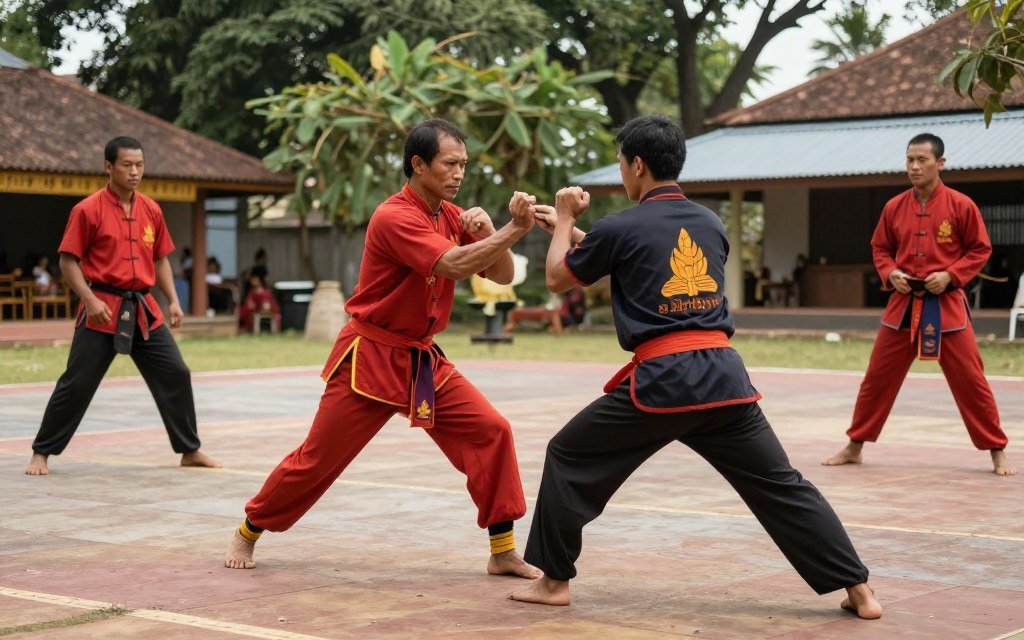
Technical demonstrations should make safety, distance, and control visible.
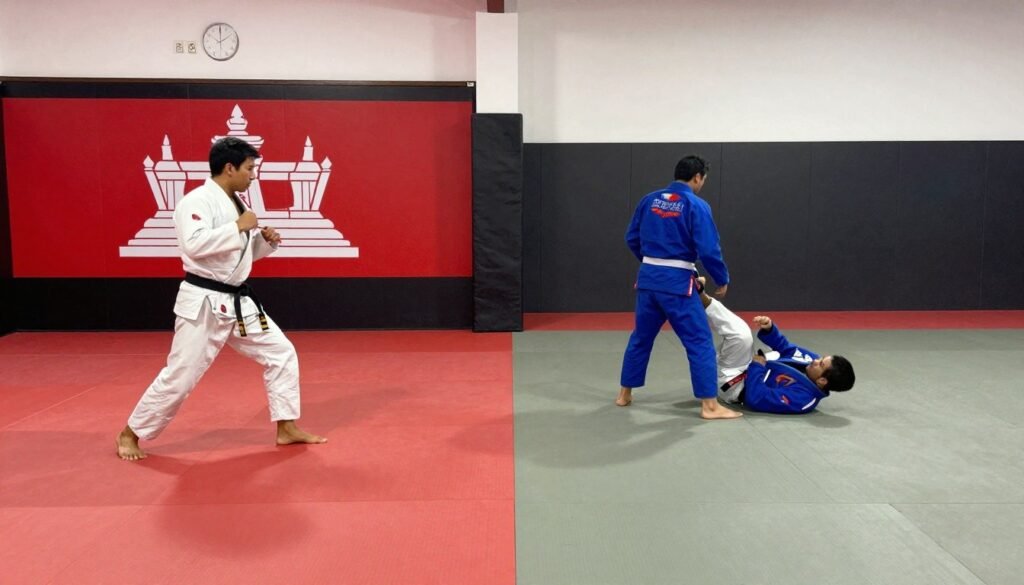
The comparison should explain different rules and goals rather than declare one art superior.
Weaponry & Improvised Combat Systems
Traditional Bokator weapons discussions may include the lbo long staff, Kbach Kun Tao sword systems, Kbach Kun Khmer knife traditions, and farming implements such as the trabiet. Terms, translations, and teaching categories may vary across lineages. These weapons belong to Cambodian material culture and martial arts history, so they should be studied as subjects of cultural and historical education rather than as modern self-defense claims.
Lbo and Kbach Kun Tao Systems
Long weapons teach distance, alignment, leverage, grip, and movement around a line. Sword traditions add questions of angle, footwork, balance, and cultural presentation. At a high level, practitioners coordinate the lower body, hips, trunk, grip, and center of mass when holding or moving an object. These principles describe training concepts, not instructions for using weapons against another person.
Kbach Kun Khmer, Knives, and Traditional Farming Implements
Knife and farming-tool traditions show how martial knowledge can develop around objects found in daily life. Their place in Cambodian culture should be explained with historical care, without turning a description of weapons into a practical guide. Modern readers should never test techniques on people or treat an account of traditional martial arts as safety training.
Kinetic Transfer: Weapon Retention to Unarmed Striking
Weapon-retention concepts can be examined safely through body alignment, distance management, grip changes, and the relationship between an object and the practitioner’s center of mass. The same kinetic chain may support unarmed strikes, but familiarity with martial art biomechanics does not make weapon handling safe. Qualified supervision, inert or appropriate training equipment, protective controls, and a clear practice area are essential.
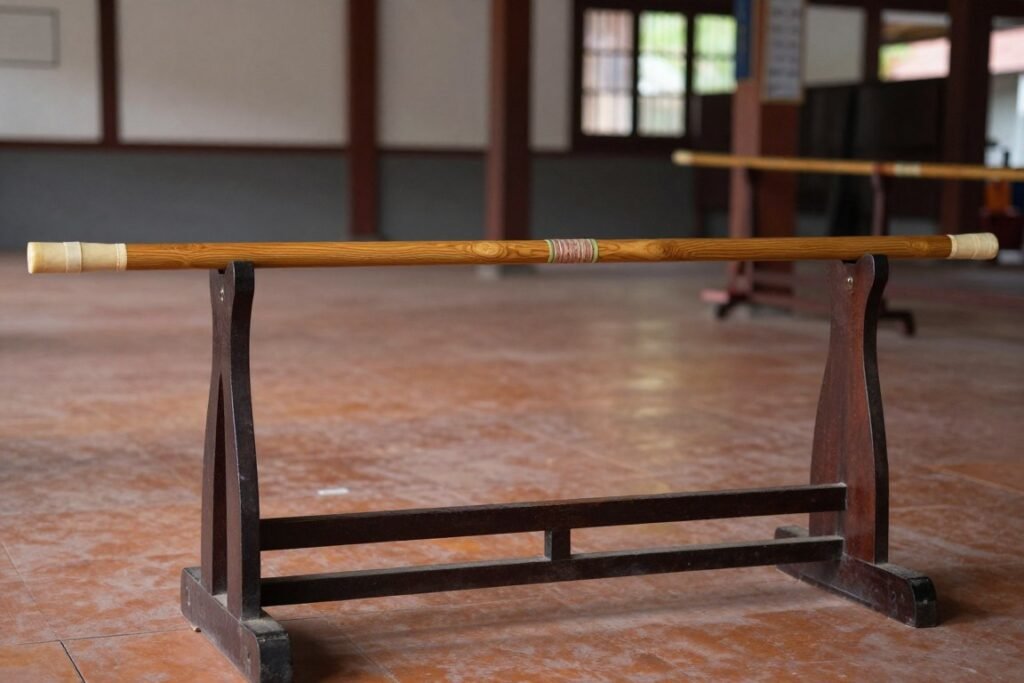
A staff can be shown as a cultural training object without turning the image into an action tutorial.
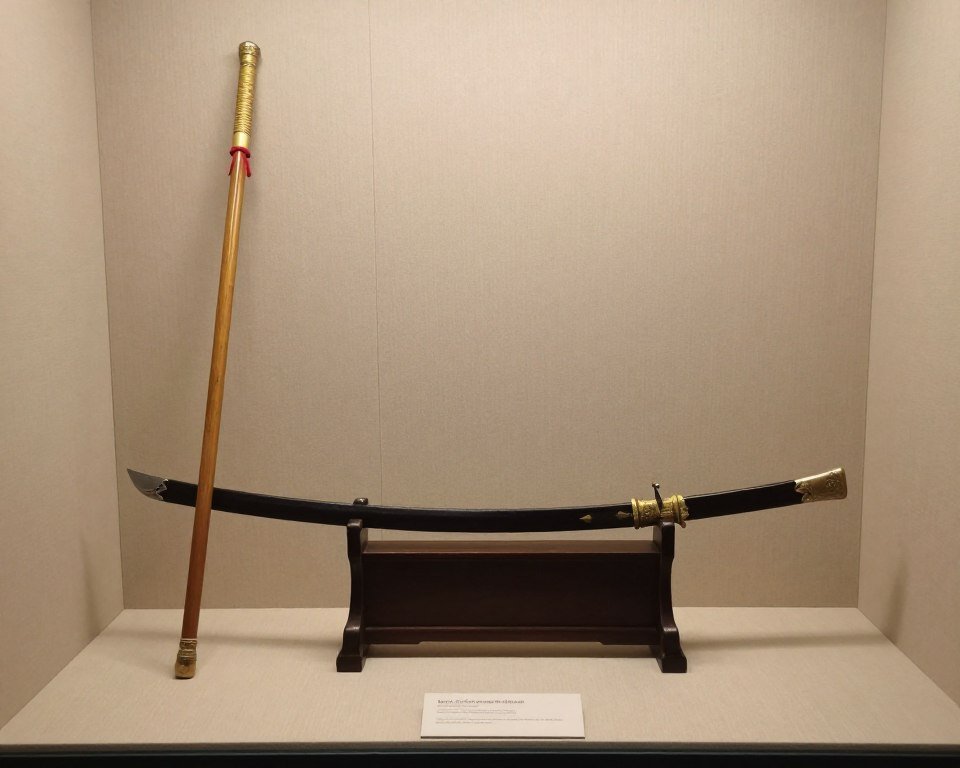
Historical displays are safer and more informative than sensational weapon imagery.
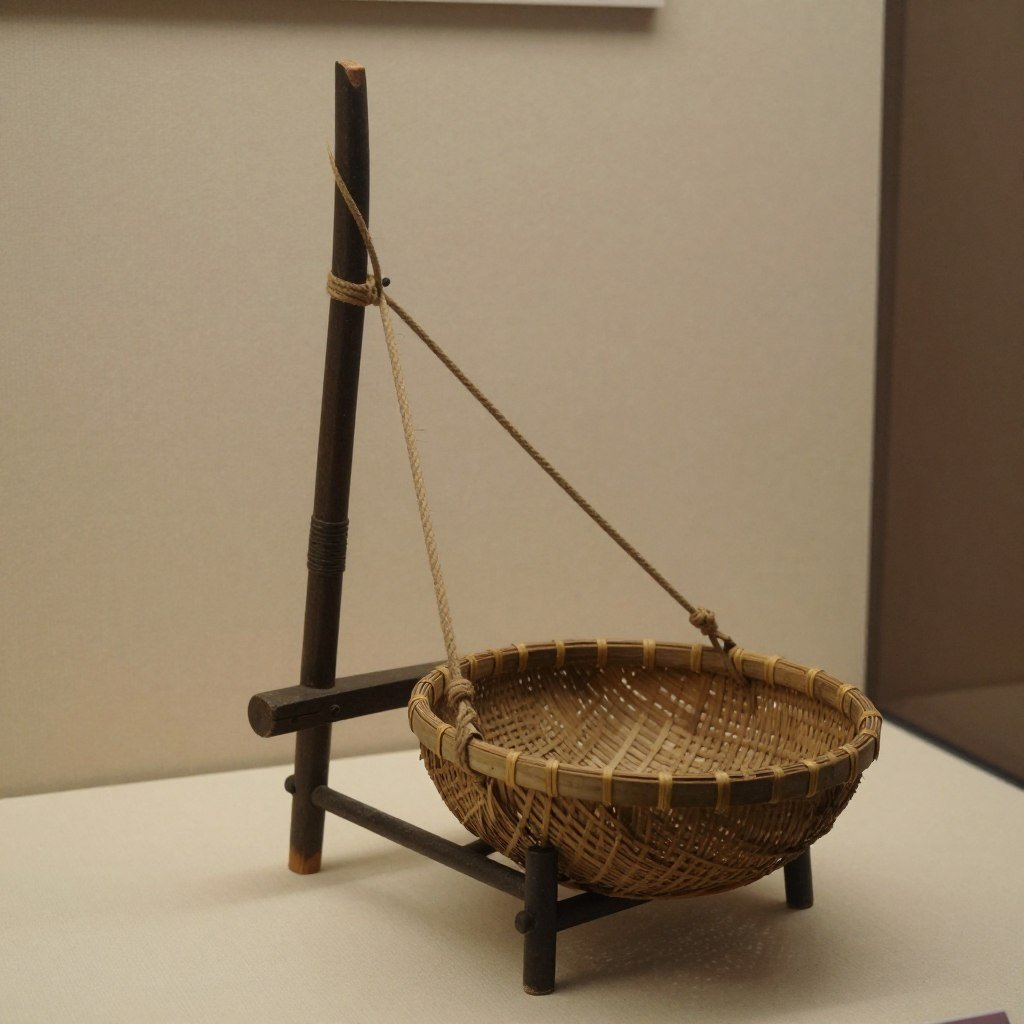
The trabiet can be discussed as part of material culture and rural history.
Traditional Impact Conditioning & Training Protocols
Impact conditioning is part of some martial arts training, but safe adaptation depends on gradual progression, technical structure, and controlled contact. Stance, hip positioning, bracing, and recovery affect how the body manages force. Repeated impact can harm skin, bone, joints, nerves, and connective tissue, so traditional practice should never treat pain or injury as proof of commitment.
Limb Hardening and Joint Longevity Drills
Schools may use progressive contact drills, pads, bags, controlled partner work, and bodyweight exercises. The goal should be improved structure, coordination, and tolerance—not damage. Joint longevity depends on strength around vulnerable areas, adequate rest, movement quality, and instruction adapted to age, mobility, prior injury, and conditioning level.
Mental Breathing and Ceremonial Conditioning
Breathing can help regulate effort, pacing, relaxation, timing, and recovery during martial art training. Ceremonial practice may create focus and connect students with Cambodian culture, but it is not medical treatment or a substitute for professional care. Masters and instructors should explain the purpose of each exercise without making unsupported health claims.
Students should warm up gradually, use safe techniques, and stop for sharp pain, numbness, swelling, loss of function, dizziness, or persistent pain. A qualified instructor should modify training for individual needs, while medical advice is appropriate after a significant injury. Survival-oriented history does not justify unsafe modern practice; responsible martial arts education places health before intensity.
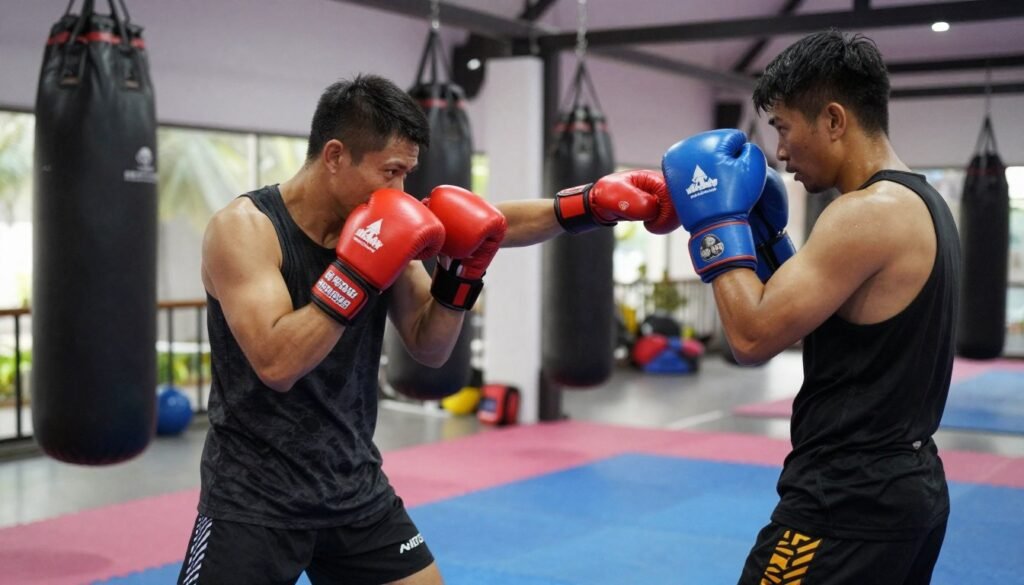
Pads and supervision make conditioning more measurable and reduce unnecessary risk.
Recovery belongs inside the training plan, not after the plan has already caused pain.
Bokator vs. Kun Khmer & Muay Thai: Key Differences Explained
Bokator, Kun Khmer, Muay Thai, and BJJ are distinct martial arts with different histories, rules, institutions, and training goals. Bokator represents a broad Cambodian martial tradition, while Kun Khmer and Muay Thai are primarily shaped by modern striking competition. BJJ is primarily a ground-based sport focused on grappling. Shared techniques do not make these arts interchangeable.
Bokator
- Broad traditional martial curriculum with striking, throws, ground recovery, forms, weapons history, ceremony, and cultural philosophy.
- Animal-inspired kbach patterns communicate movement qualities and tactical ideas within a Cambodian martial art.
- Training may include ceremonial clothing, krama, sangvar, and sabay elements alongside physical practice.
- Modern competition formats vary by organization and represent only one part of the wider tradition.
Kun Khmer
- Modern Cambodian combat sport centered on striking competition, athletic preparation, and ring performance.
- Rules, rounds, officials, scoring, and permitted techniques shape the fighting environment.
- Clinching, elbows, knees, and other techniques may be important depending on the applicable ruleset.
- Kun Khmer sport training differs from Bokator’s broader traditional martial curriculum and cultural presentation.
Muay Thai
- Thai combat sport and martial tradition with its own history, institutions, rituals, and cultural presentation.
- Competition commonly emphasizes punches, kicks, knees, elbows, and clinch work within a defined ruleset.
- Ring rules, rounds, scoring, and conditioning influence Muay Thai tactics and training priorities.
- Muay Thai should not be used as a synonym for Kun Khmer or every Southeast Asian martial art.
Ancient Khmer battlefield combat strategies were not organized around rounds, judges, weight classes, or a single opponent. Historical fighting could involve uneven terrain, clothing, weapons, multiple threats, and survival priorities, whereas modern Kun Khmer, Muay Thai, and BJJ operate in supervised sport environments. A student seeking cultural study may prefer a Bokator school with strong historical teaching; someone seeking ring competition may choose reputable Kun Khmer or Muay Thai training; someone seeking rule-based grappling may choose BJJ. Quality instruction, safety, and respect for Cambodian culture matter more than claims that one art is universally superior.
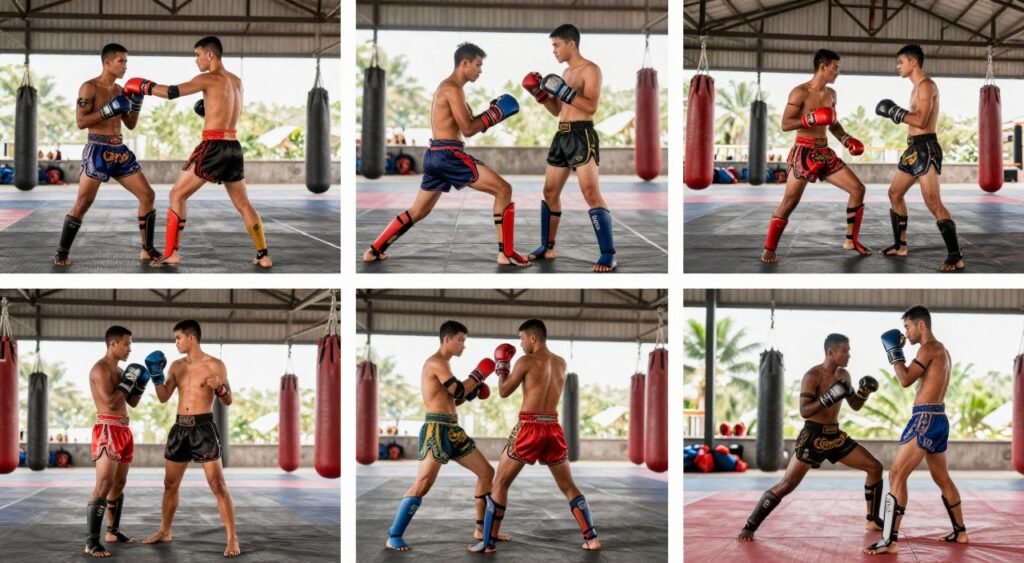
A visual comparison should show differences without suggesting that one culture owns all regional martial traditions.
How to Study Bokator Responsibly Today
Modern students should ask where a school gets its historical information, how it represents Cambodian culture, and how it manages contact training. A credible instructor should distinguish documented history, oral tradition, and modern interpretation. Practitioners should also look for progressive instruction, respectful treatment, and clear safety standards.
Questions to Ask a School
- Who teaches the class, and what is the instructor’s training background?
- How are beginners introduced to falling, mobility, contact, and recovery?
- Does the school distinguish cultural history from modern interpretation?
- Are weapons taught only in controlled, supervised settings?
- How does the instructor respond to pain, injury, and different physical abilities?
How to Evaluate Online Claims
Be cautious when a page presents temple reliefs as direct proof of a complete modern curriculum or describes Bokator as an ancient martial art whose every technique survived unchanged. Its Khmer roots and intangible cultural heritage are important, but one master, inscription, or UNESCO listing cannot prove every historical detail. Strong educational content names uncertainty and explains how philosophy connects movement, discipline, identity, and tactical qualities.
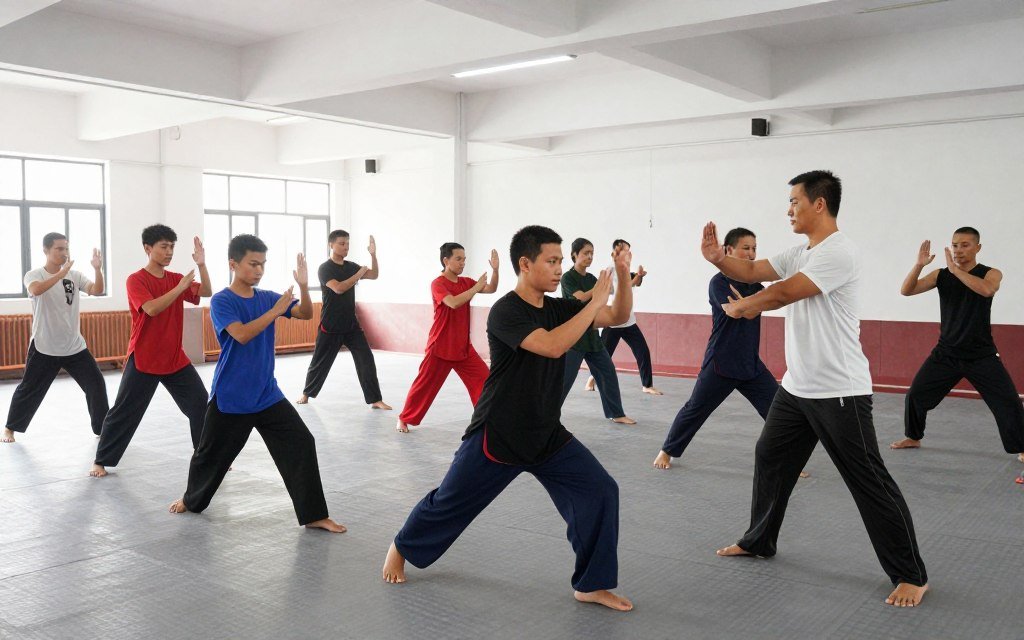
Beginner instruction should make safety, respect, and progression clear from the first class.
Frequently Asked Questions About Bokator
What is Bokator?
Bokator is a Cambodian martial art associated with Khmer cultural heritage. Bokator martial art training may include striking, throws, ground mechanics, animal-inspired forms, weapons traditions, and ceremonial practice.
Is Bokator the same as Kun Khmer or Muay Thai?
No. Bokator is a broad traditional system, while Kun Khmer and Muay Thai are strongly associated with striking competition and their own national traditions. Some techniques overlap, but the arts are not identical.
What does Bokator mean?
The name is commonly linked with a story about pounding or defeating a lion. Translation and spelling details vary, so the explanation should be presented as a traditional account rather than an uncontested linguistic fact.
What is the Krama ranking system?
Some Bokator schools use colored krama scarves to mark progress through levels. A common description moves from white toward advanced colors and a gold Master Krama, but systems and standards vary among organizations. A scarf does not replace a student’s ability or responsible practice.
What are Bokator’s animal stances?
Animal stances are movement and teaching patterns associated with qualities such as power, fluidity, balance, evasion, trapping, and pressure. The names and interpretations of animals may differ by lineage.
Who is San Kim Sean?
San Kim Sean is widely associated with the modern revival, organization, teaching, and promotion of Bokator. The revival involved broader cultural and community efforts as well as the work of individual masters.
What weapons are used in Bokator?
Historical and traditional curricula may discuss the lbo staff, Kbach Kun Tao sword systems, Kbach Kun Khmer knife traditions, and farming implements such as the trabiet. Weapon training should be supervised, safety-led, and appropriate to the practitioner’s experience.
Is Bokator used in modern competition?
Some modern organizations hold competitions or demonstrations, but formats vary. Competition represents only one part of a wider traditional art that can include forms, history, ceremony, and weapons study.
How does Bokator compare with BJJ?
Bokator may include standing combat, striking, weapons context, and rapid recovery from the ground. BJJ generally focuses on rule-based grappling, positional control, escapes, and submissions. Ancient battlefield combat strategies also involved survival conditions that sport grappling does not reproduce.
What are Chay Yam and Krapeu?
Chay Yam is commonly described as a structured, mobile stance, while Krapeu is taught in some schools as a low animal stance. Both require progressive training, with attention to hip mobility and alignment from the foot through the knee to the hip. Names and details may vary by lineage.
Is Bokator suitable for beginners?
It can be suitable when instruction is qualified, progressive, and safe. Beginners should start with mobility, stance, balance, falling, breathing, and controlled partner work before advanced impact or weapons training. They should seek cultural respect and stop when pain or injury occurs.
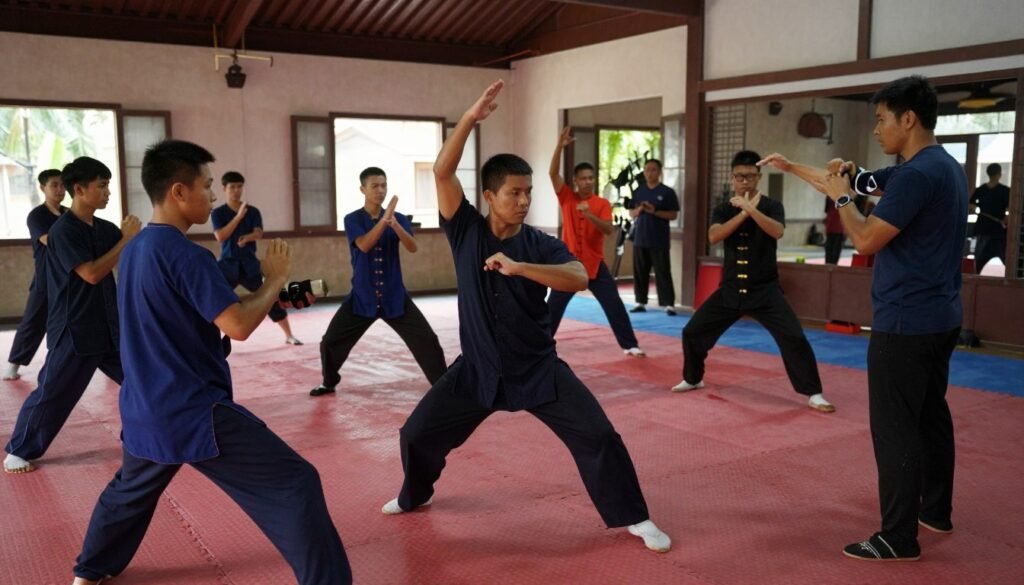
A strong school culture is as important as a long list of techniques.
Conclusion: Reading Bokator with Respect and Precision
Bokator martial art connects movement, history, Cambodian culture, and living cultural heritage. Its roots, philosophy, techniques, and modern revival deserve both respect and evidentiary precision. San Kim Sean and other masters helped organize contemporary teaching, but no single source proves that every technique survived unchanged from the Angkor era. The art should be understood as a living tradition rather than a frozen historical artifact.
Its biomechanics are practical as well as symbolic. Chay Yam and Krapeu show how low animal stances organize the feet, knees, hips, pelvis, trunk, and striking limb; efficient force then travels from the lower body through the kinetic chain. Ancient Khmer battlefield combat strategies also differed from the rules and goals of BJJ, Kun Khmer, and Muay Thai sport environments. Study with qualified practitioners, verify historical claims, respect Cambodian culture, and approach fighting and martial arts training progressively. As a foundational combat system deeply tied to its home country of Cambodia, the ancient art of Bokator remains a living symbol of national resilience and heritage. Modern practitioners across every country can draw valuable lessons from its structural biomechanics, ancient animal stances, and comprehensive movement philosophy.