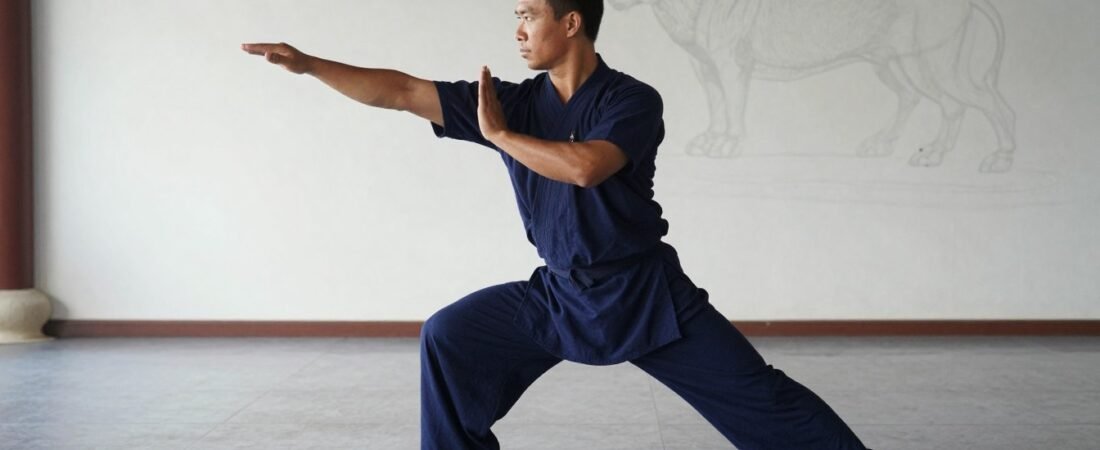
This Cambodian martial art connects combat training with observation of nature, Khmer history, and cultural memory. Yet animal forms are not one fixed list. Names, number, and interpretation can change between teachers, provinces, and schools.
What Is Bokator and Why Do Animals Matter?
Bokator, also written as Bokator martial art or kun bokator, is a Cambodian martial art rooted in Khmer tradition. It includes striking, throws, locks, weapons work, ground fighting, and methods for controlling distance. Its broad system contains many techniques rather than one narrow style.
The word “animal form” describes a teaching pattern. A practitioner studies qualities associated with an animal and turns those qualities into martial movements. A tiger can represent direct pressure. A snake can suggest smooth angles and sudden contact. A bird can inspire light footwork, changes of height, or attacks from an open line.
These comparisons do not mean that a student copies an animal in a literal way. The goal is to understand useful principles. The animal becomes a memory tool for posture, rhythm, breathing, and decision-making.
Important distinction: There is no universally accepted public list that defines every animal form in every Bokator school. The descriptions below are representative teaching themes, not a claim that all practitioners use identical names or sequences.
A respectful visual introduction to animal-inspired training and posture.
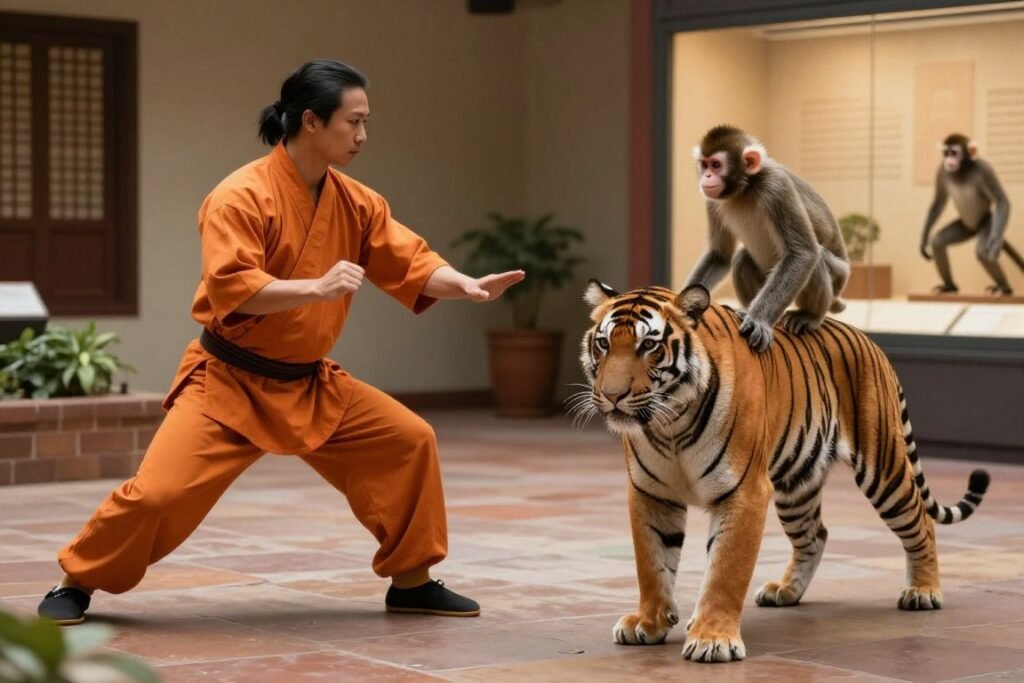
Observation helps connect an image in nature with a practical combat principle.
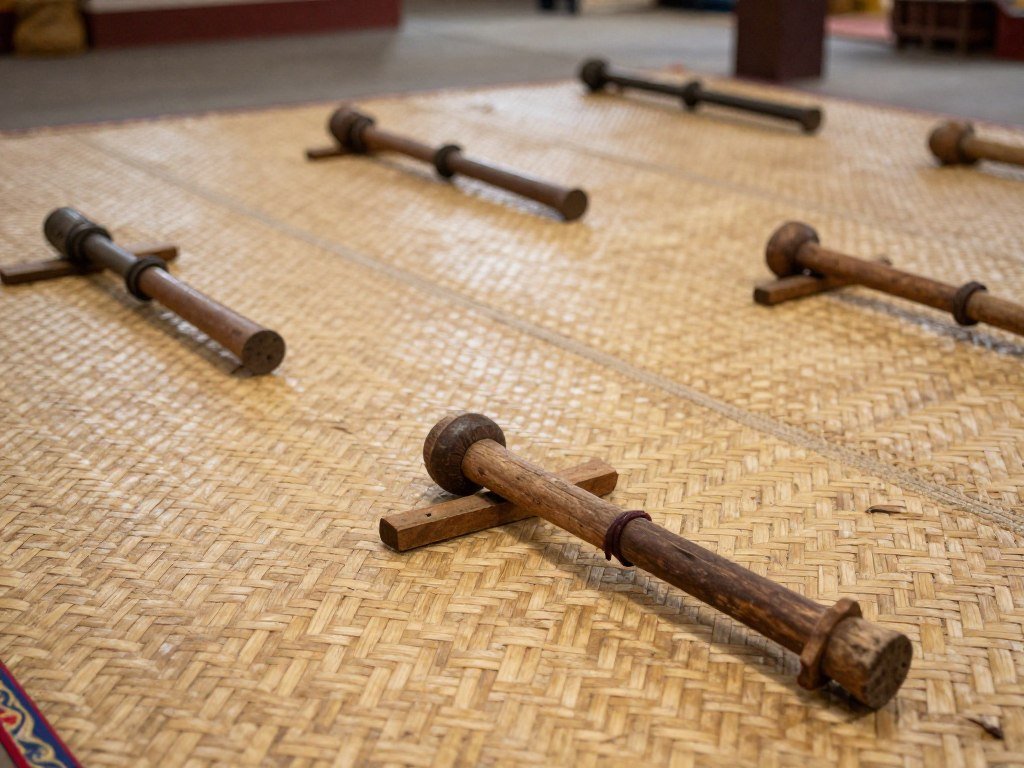
The setting matters because training is also a form of cultural transmission.
Origins, Khmer Culture, and the Long History of Bokator
Bokator is commonly associated with the Khmer world and with its home counrty of Cambodia”s long martial history. Popular accounts often connect the art to ancient reliefs, temple imagery, and the military life of earlier kingdoms. Such images can show that combat and physical training were important subjects in Khmer culture. They do not, by themselves, prove that a modern form existed in exactly the same shape centuries ago.
Angkor Wat and other temple sites are central to Cambodian history. Their walls preserve scenes of gods, animals, warriors, dancers, and daily life. These carvings can encourage questions about movement and symbolism. They should not be treated as complete technical manuals for today’s martial art.
Traditional accounts also describe Bokator as an old survival system passed through generations. Some stories connect animal methods with observation of forests, farms, and battlefields. These accounts are important to cultural memory, but a careful article should label them as tradition when firm records are unavailable.
The twentieth century brought severe disruption. The Khmer Rouge period damaged families, institutions, and cultural transmission. Teachers and martial artists were lost, displaced, or forced to stop teaching. Later revival work required patience, interviews, demonstrations, and cooperation among practitioners.
San Kim Sean is widely associated with the modern revival and international promotion of Bokator. The names San Kim Sean and Kim Sean may appear in different spellings or shortened forms. He and other Cambodian martial artists helped bring renewed attention to the art after years of danger and silence. Revival is not the work of one person alone; it depends on teachers, students, communities, and cultural bodies.
In 2022, UNESCO placed Kun Lbokator on the Representative List of the Intangible Cultural Heritage of Humanity. That recognition supports preservation and visibility. It does not freeze the art into one performance or establish that every modern explanation is historically proven.
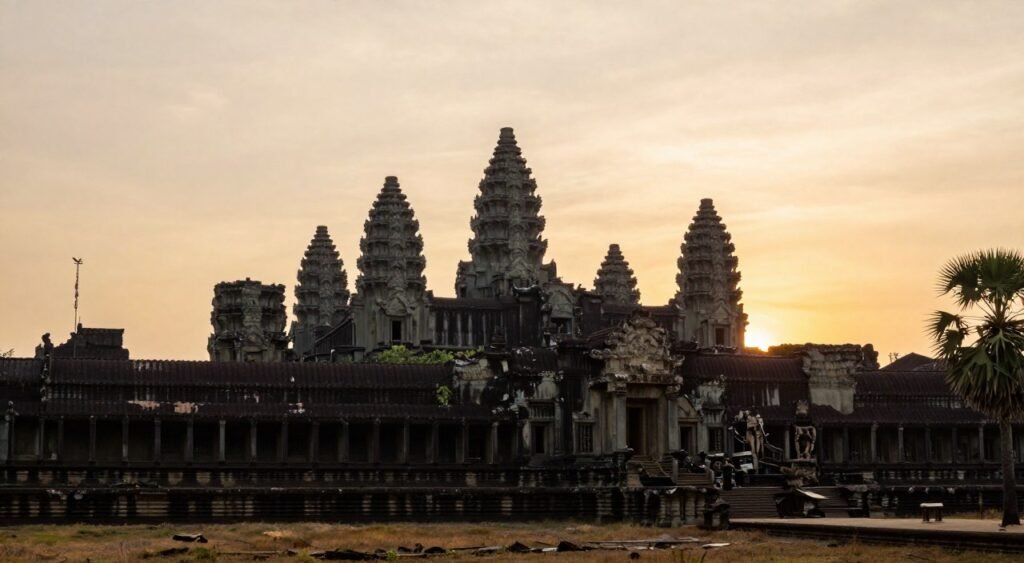
Angkor Wat offers important historical and cultural context for Khmer identity.
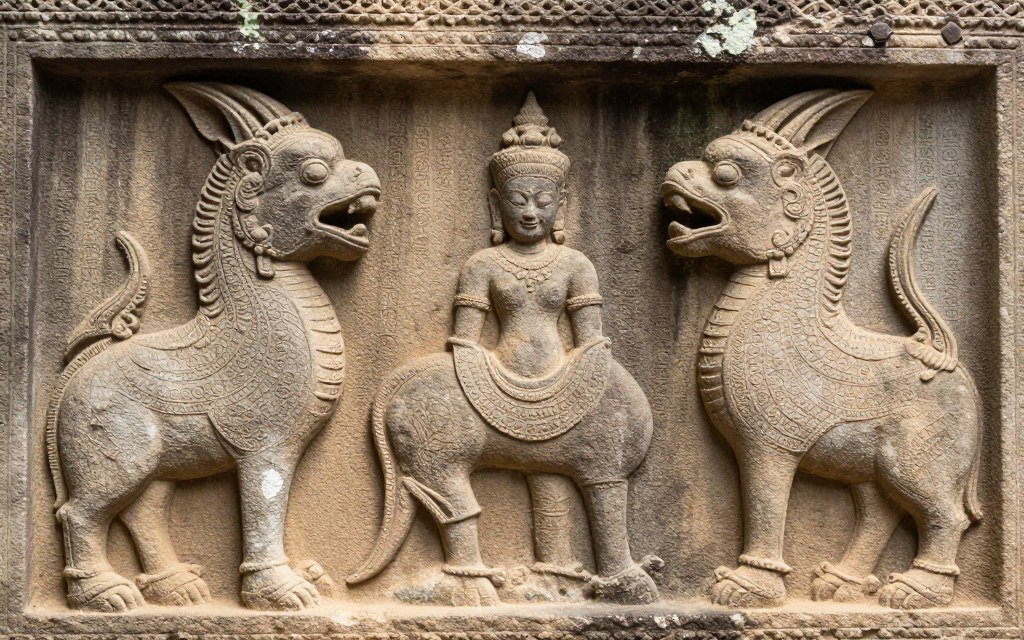
Reliefs can inspire study, but visual resemblance is not proof of a complete combat system.
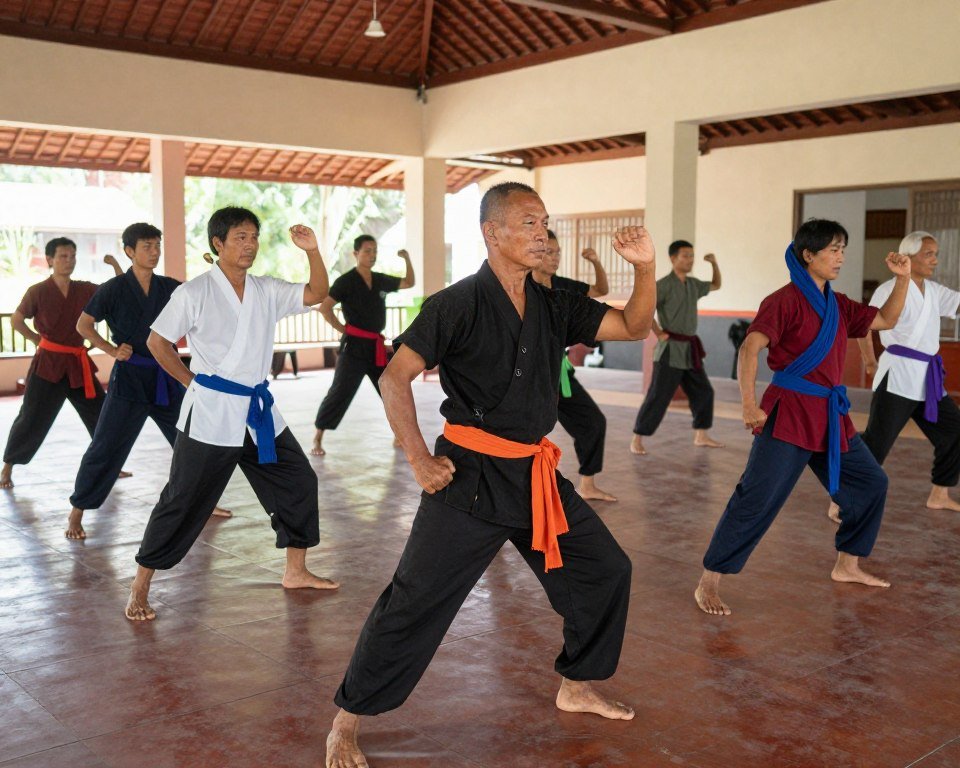
Modern preservation is carried by people who teach, practice, and document the art.
How Animal Forms Become Practical Martial Techniques
An animal form usually begins with an image or quality. The teacher may ask a student to move with the alertness of a monkey, the rooted strength of an elephant, or the patience of a crocodile. The image gives the student a clear feeling to explore. A practitioner must invest time into mastering basic footwork before attempting complex animal sequences
That feeling must then become useful technique. A low stance has to support balance. A sweeping movement has to protect the body or disrupt an opponent. A sudden change of rhythm must create an opening, not merely look impressive.
Footwork is a key link between symbolism and combat. Some forms emphasize short, quick steps. Others use grounded advances, pivots, circular paths, or a sudden drop in level. The exact sequence can differ among schools, yet the teaching question remains similar: how can the body move safely while maintaining options?
Animal imagery also teaches range. A tiger image may help a student understand pressure at close distance. A bird image may encourage a light retreat or a change of angle. A snake image may teach continuous contact and redirection.
Weapons and ground fighting may also appear in a school’s broader system. They should not be automatically assigned to one animal without a teacher’s explanation. Bokator is a large martial art, and a form may combine several ideas.
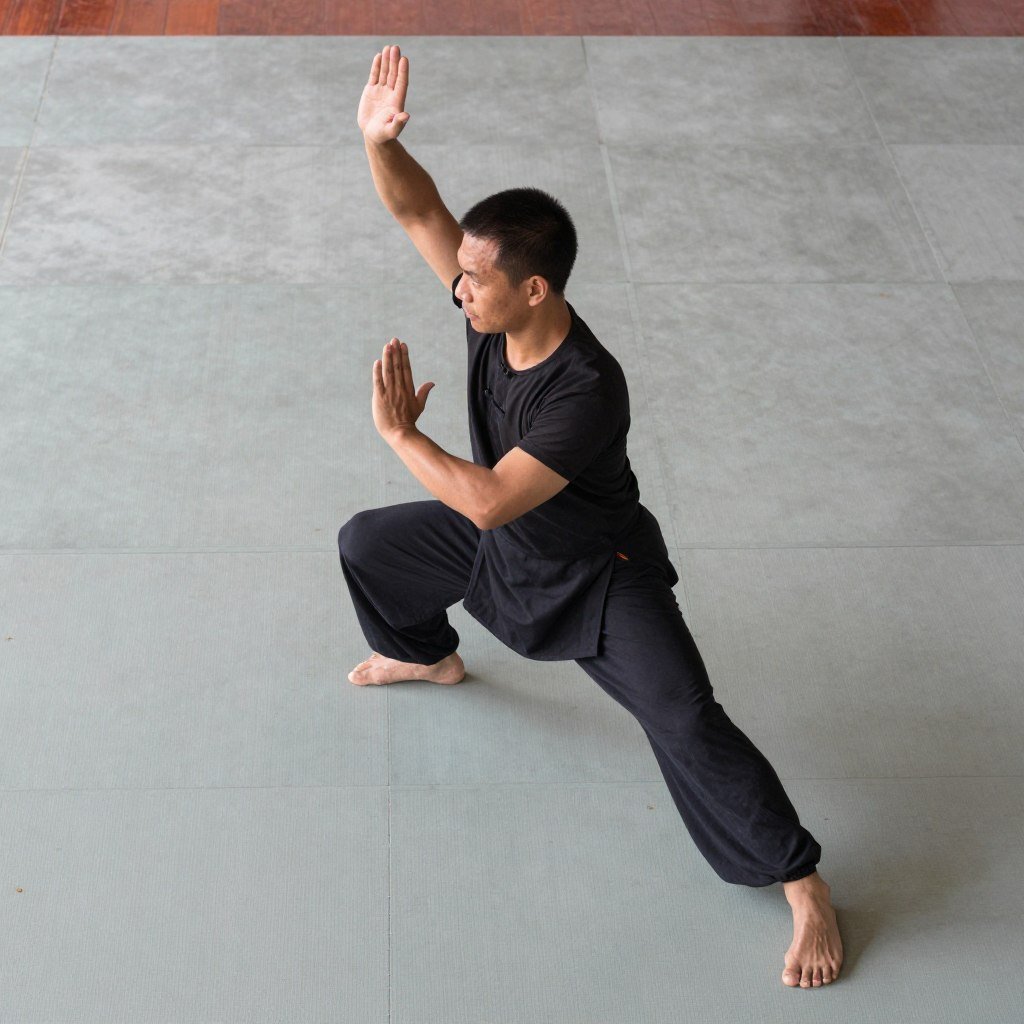
Footwork turns an animal image into distance control and balance.
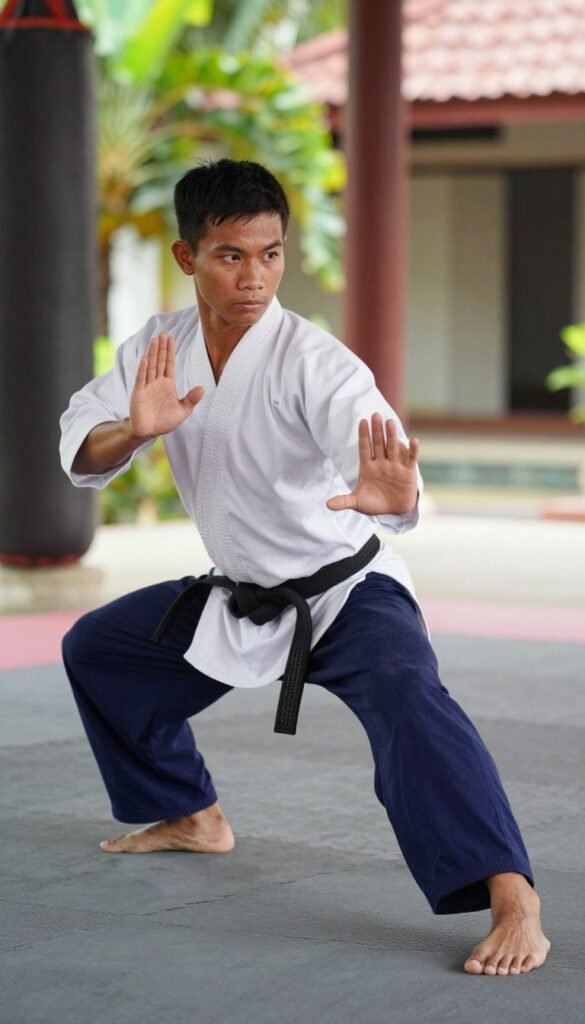
Changes in height can support evasion, defense, and entry.
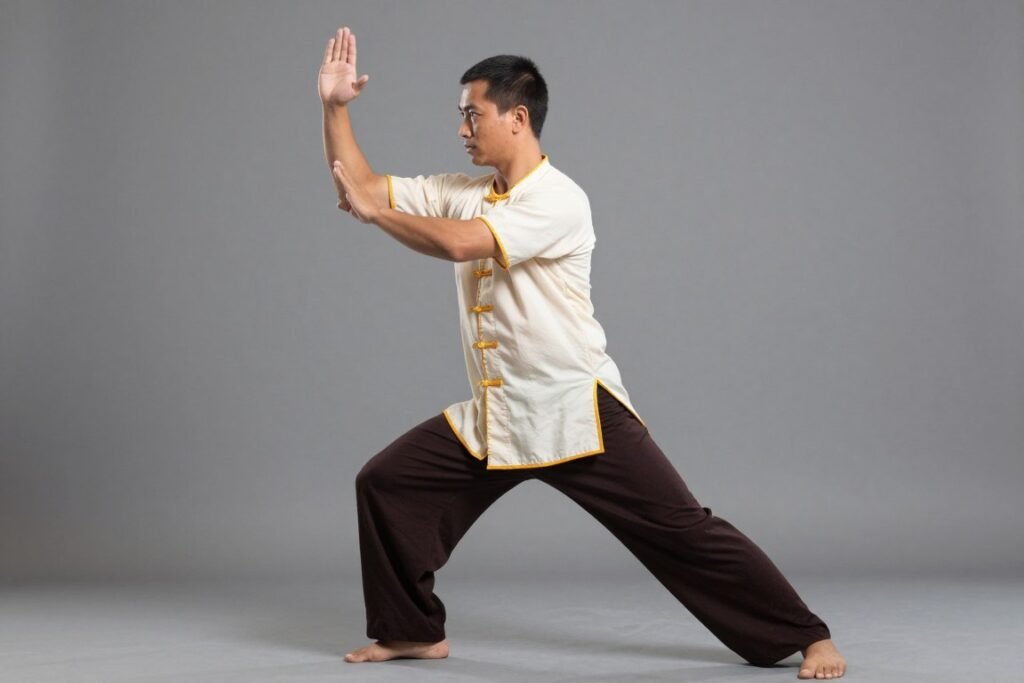
Angles and rhythm can be more important than copying an animal’s appearance.
Monkey and Tiger: Speed, Pressure, and Change
Monkey forms
Monkey imagery often suggests agility, curiosity, misdirection, and rapid changes of level. A practitioner may use light steps, sudden angles, feints, and quick recoveries. The body stays ready to move rather than becoming fixed after one strike.
In training, the monkey idea can develop coordination. Students may practice entering, turning out, and returning to a stable stance. The movement should not become random. Its value lies in making timing difficult to read while keeping the practitioner safe.
Monkey forms can also teach the use of space. A smaller fighter may need to avoid standing directly in front of a stronger opponent. Angled footwork and broken rhythm can create a better position for a controlled technique.
Tiger forms
Tiger imagery usually carries a different quality. It suggests commitment, direct pressure, strong posture, and decisive entry. A tiger-inspired movement may use firm steps, powerful arm actions, and a clear intention to close space.
The tiger is not simply a symbol of aggression. Good training includes restraint and control. Students learn when pressure is appropriate, how to protect their balance, and how to stop a technique before causing unnecessary harm.
Monkey and tiger ideas work well as contrasts. One emphasizes change and surprise; the other emphasizes force and commitment. Together, they can teach a fighter to vary rhythm instead of relying on one habit.
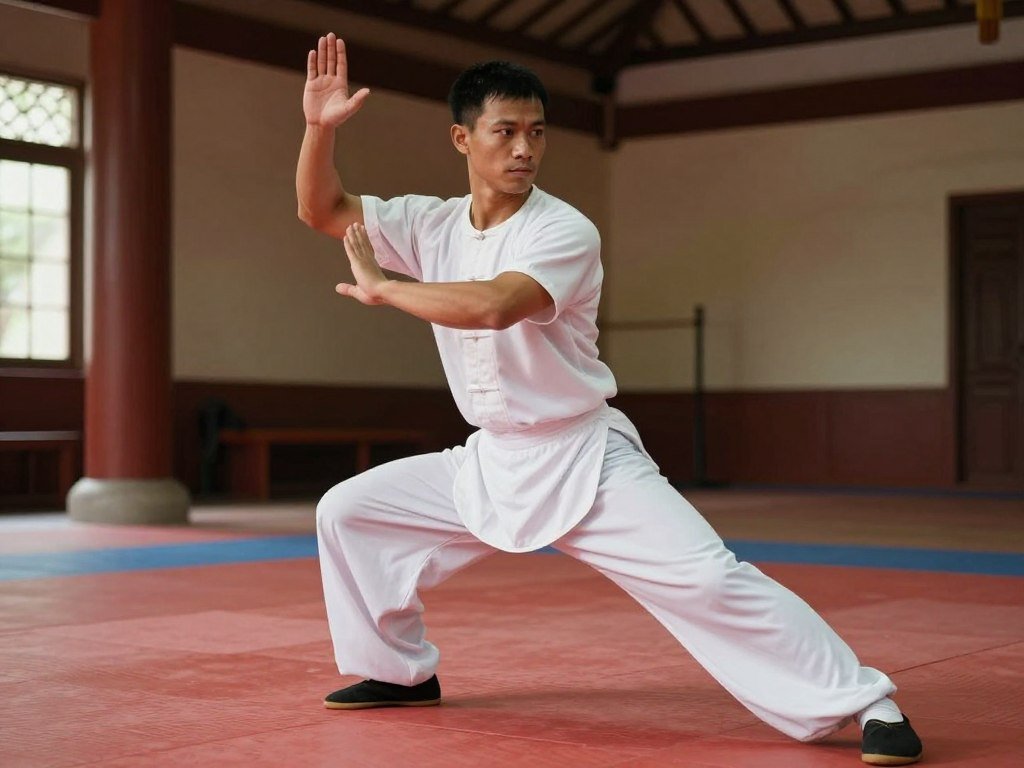
The monkey concept highlights agility without turning movement into imitation theater.
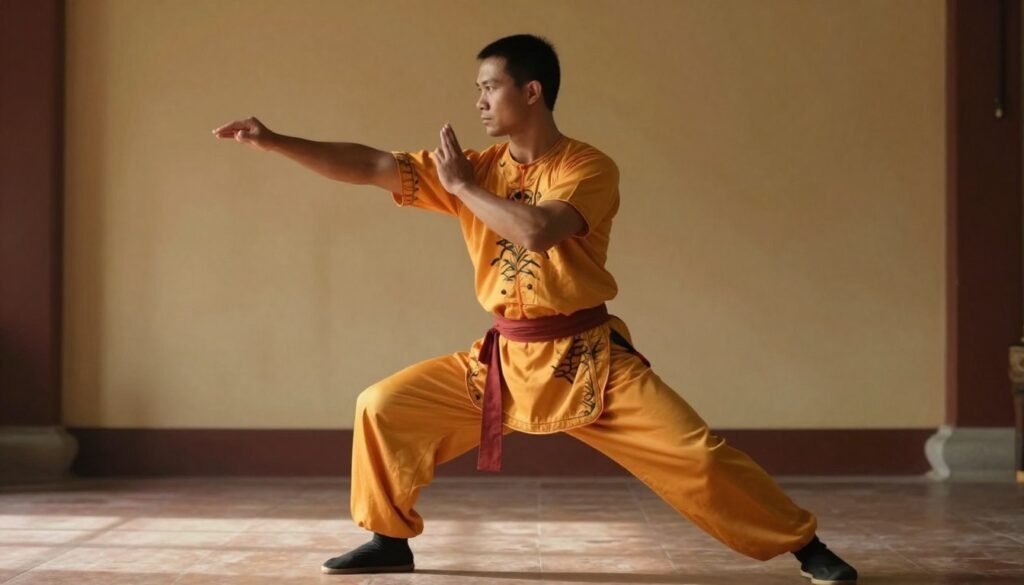
The tiger concept can teach commitment, structure, and pressure.
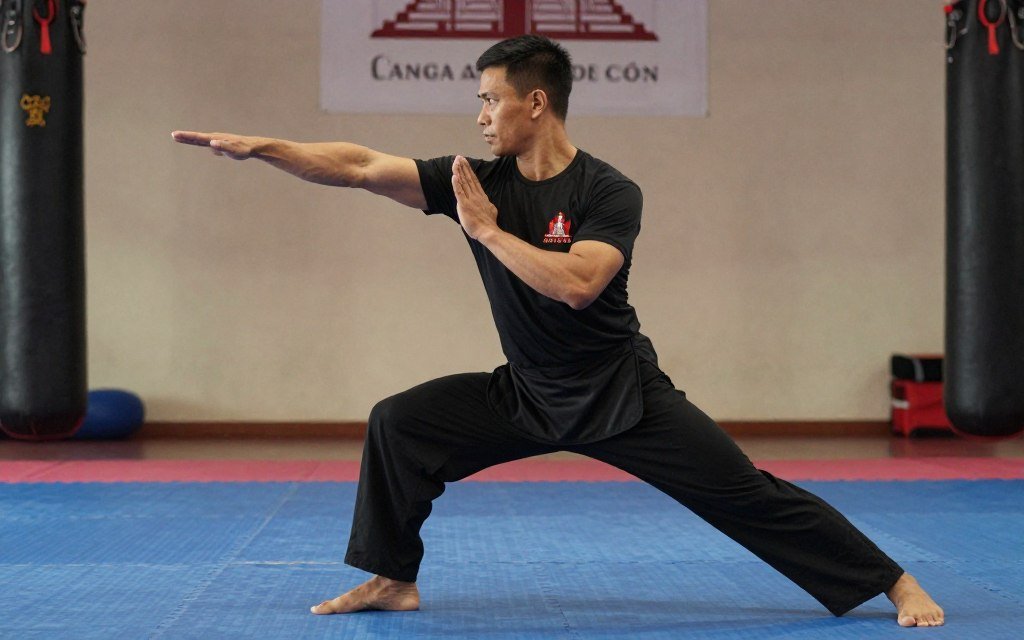
Contrasting animal qualities help students adapt instead of repeating one rhythm.
Elephant and Horse: Stability, Drive, and Mobility
Elephant forms
The elephant can represent rooted power, patience, and controlled forward pressure. An elephant-inspired stance may encourage a wide base, a steady center, and deliberate movement. The lesson is not to move slowly at all times. It is to remain stable while force is applied.
In practical training, stability supports pushing, clinching, lifting, and resisting a sudden change of direction. A practitioner who loses balance cannot apply strength well. The elephant image reminds students to connect the feet, hips, spine, and hands.
The image also carries cultural meaning. Elephants have long appeared in South and Southeast Asian stories, royal imagery, labor, and warfare. A teacher may explain the animal through local history rather than through a single universal symbol.
Horse forms
The horse often suggests travel, readiness, endurance, and rapid movement. Horse-inspired footwork may use a strong base that can shift into an advance, retreat, or angle. Students may work on repeated steps, posture, and the ability to move without crossing the feet.
Horse training can build conditioning. Repeated stance work challenges the legs and teaches patience. Yet physical fatigue should not replace technical control. Safe training increases difficulty gradually and respects the student’s level.
Elephant and horse forms show why animal imagery is flexible. One stresses rooted force; the other links stability with motion. Both can support combat principles, but neither should be reduced to a cartoon version of the animal.
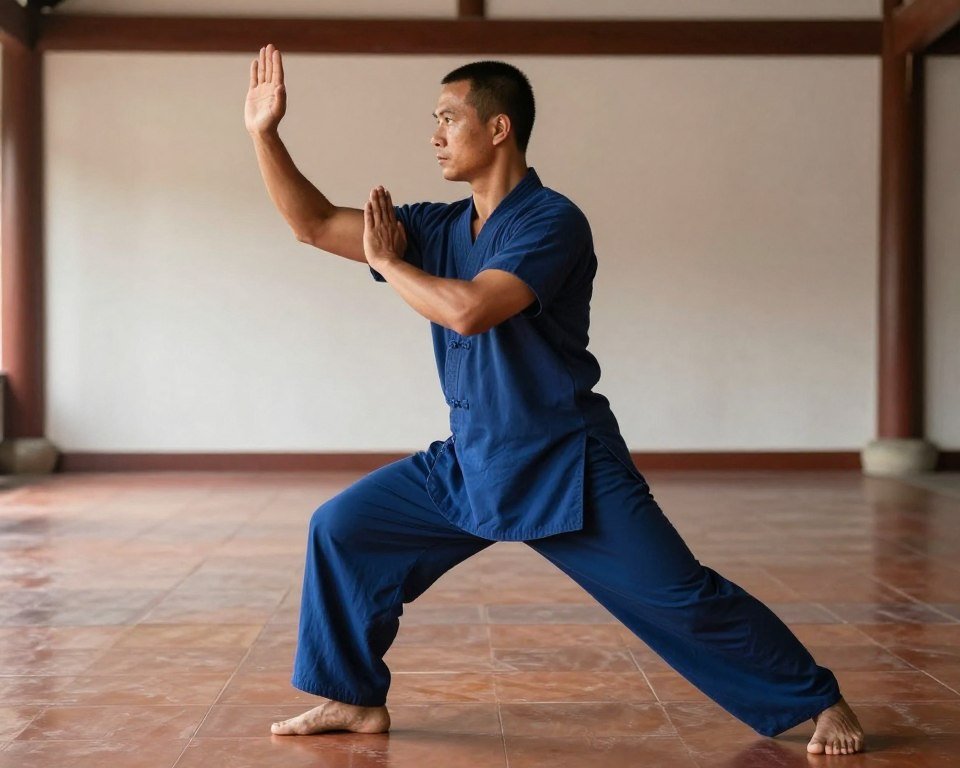
A stable base supports control in close-range movement.
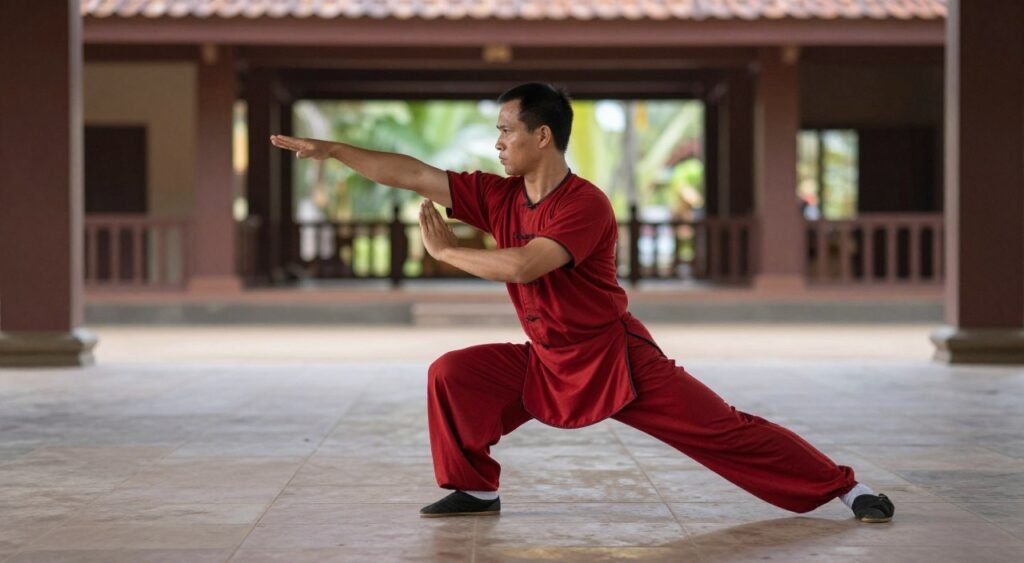
Horse imagery can connect a strong base with efficient travel.
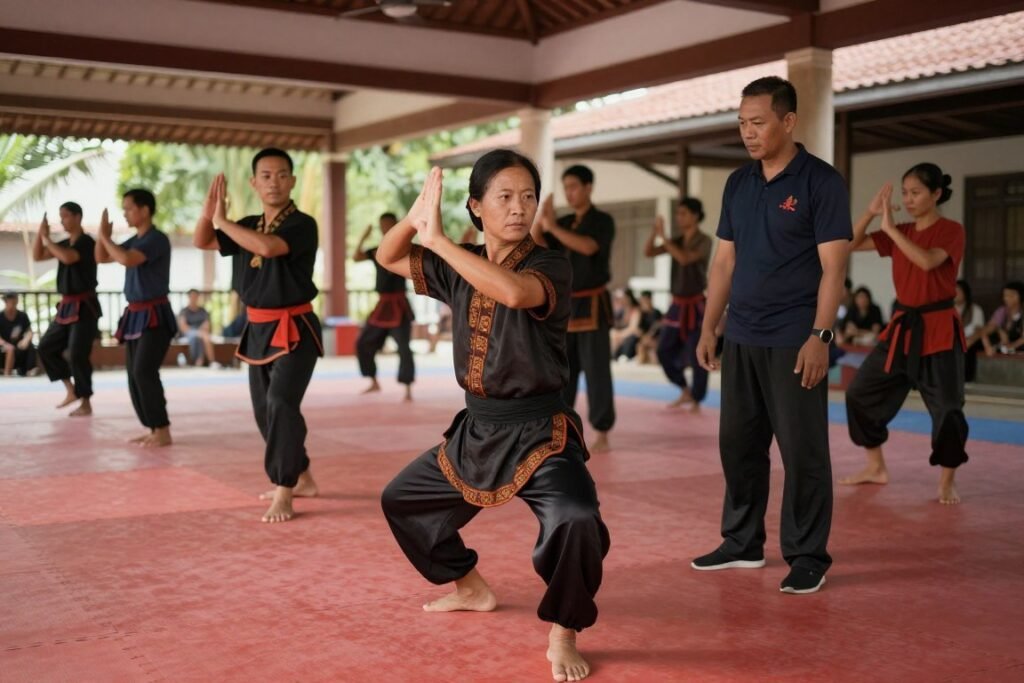
Conditioning gives symbolic movement the strength and control it needs.
Crocodile and Snake: Patience, Angles, and Ground Control
Crocodile forms
The crocodile can represent patience, ambush, low movement, and sudden power. In a training lesson, the image may encourage a practitioner to conserve energy and wait for a clear opening. The crocodile does not need constant motion to remain dangerous.
Low positions may connect with sweeps, trips, escapes, and ground fighting. These techniques require careful practice because a poor landing can injure the knees, back, or neck. A qualified teacher controls the pace and uses safe partners.
The crocodile idea also teaches timing. A fighter should not attack only because an opportunity appears. The position must be favorable, the body must be balanced, and the exit must be understood.
Snake forms
Snake imagery often suggests fluidity, coiling, redirection, and sudden release. A practitioner may learn to avoid meeting force directly. Instead, the body changes angle, maintains contact, and looks for a controlled path around pressure.
This idea can appear in hand fighting, joint control, evasive steps, and transitions. The snake is not a promise of magical flexibility. Skill comes from repetition, relaxed breathing, precise structure, and attention to the partner’s movement.
Compared with some Chinese martial arts that also use snake or animal symbolism, Bokator should not be assumed to share the same forms or lineage. Similar animal images can arise because humans observe similar qualities in nature. Cultural context and technical details still differ.
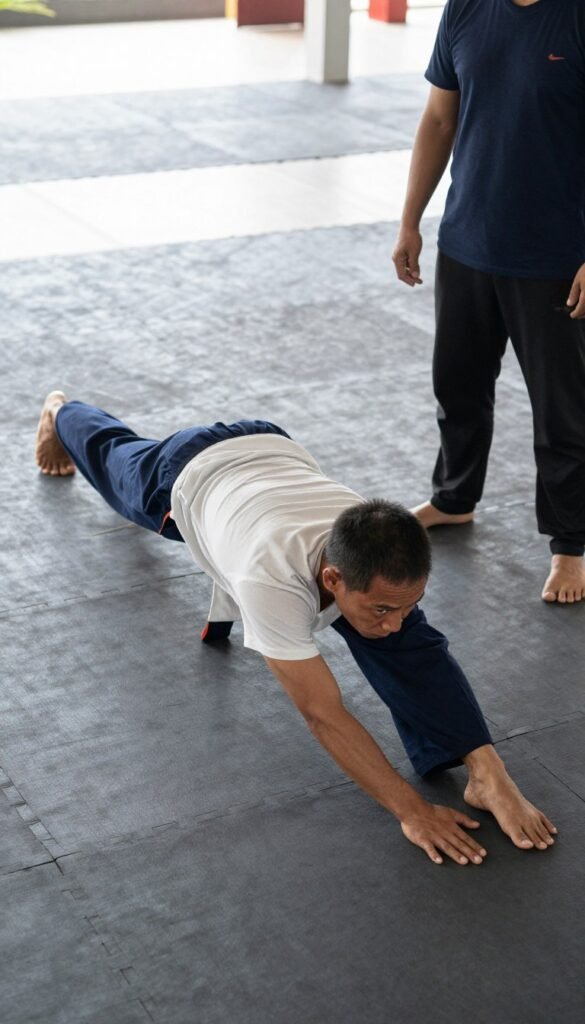
Low movement can support entries, escapes, and changes of level.
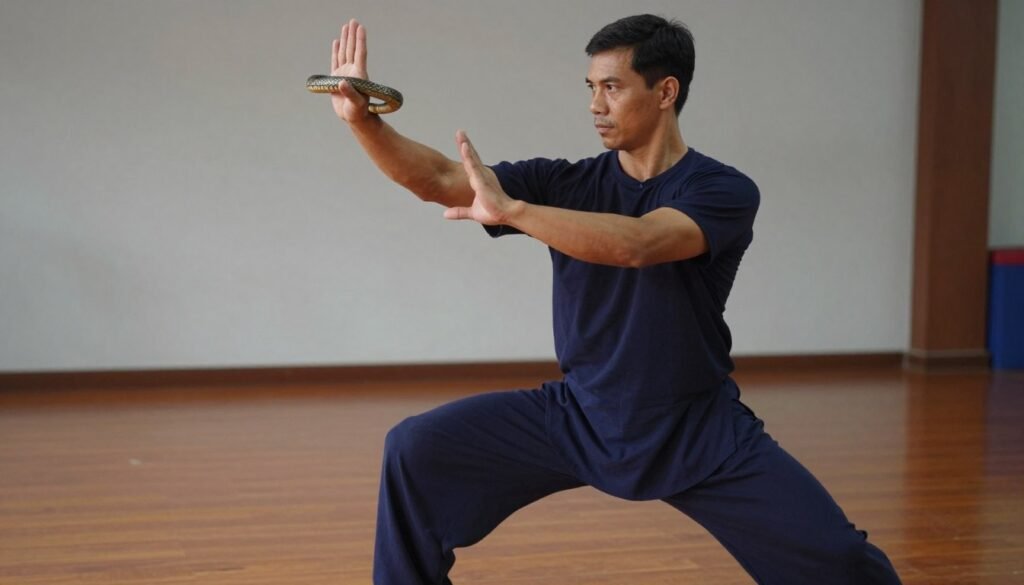
Fluid movement depends on structure, not loose or theatrical motion.
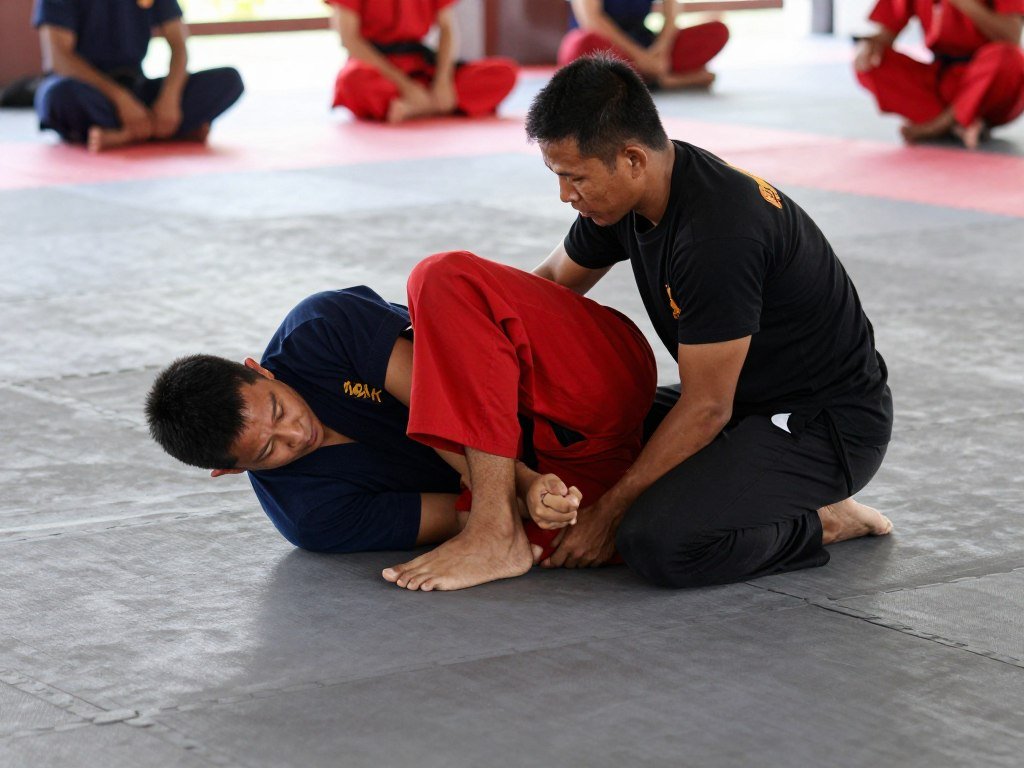
Ground fighting should be taught with safety, control, and clear technical purpose.
Bird, Fish, and Other Animal Images in Bokator
Bird forms can suggest freedom, balance, vision, and changes in level. A bird-inspired lesson may use light steps, open posture, turning, or a sudden shift from a high line to a low line. The wings are a metaphor for changing angles and managing space, not a literal instruction to flap the arms.
Bird imagery can also teach awareness. A fighter must notice distance, posture, and direction before choosing a technique. This makes the form useful for beginners, who often focus on their own hands and forget the whole environment.
Fish and aquatic imagery may represent smooth transitions and the ability to move around resistance. In some teaching contexts, water becomes a model for relaxed power. The practitioner avoids unnecessary tension, but remains ready to become firm at the moment of contact.
Other animal references may appear in local teaching traditions. A school could emphasize a bear, deer, rooster, or mythical creature. The meaning may change according to the teacher’s lineage, regional language, performance goals, or story.
Because public sources do not always provide a full technical catalogue, readers should be cautious with exact claims. A confident list found online may describe one school rather than all Bokator. Asking who teaches a form, where the name comes from, and how the movement is used can produce a better understanding than memorizing names alone.
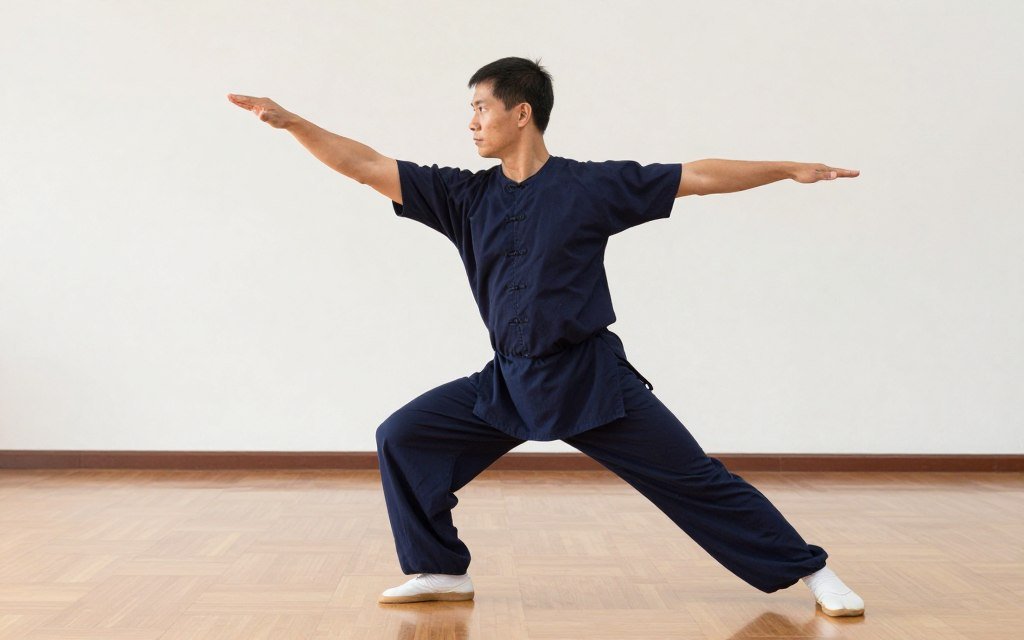
Bird imagery can make balance, awareness, and angle changes easier to remember.
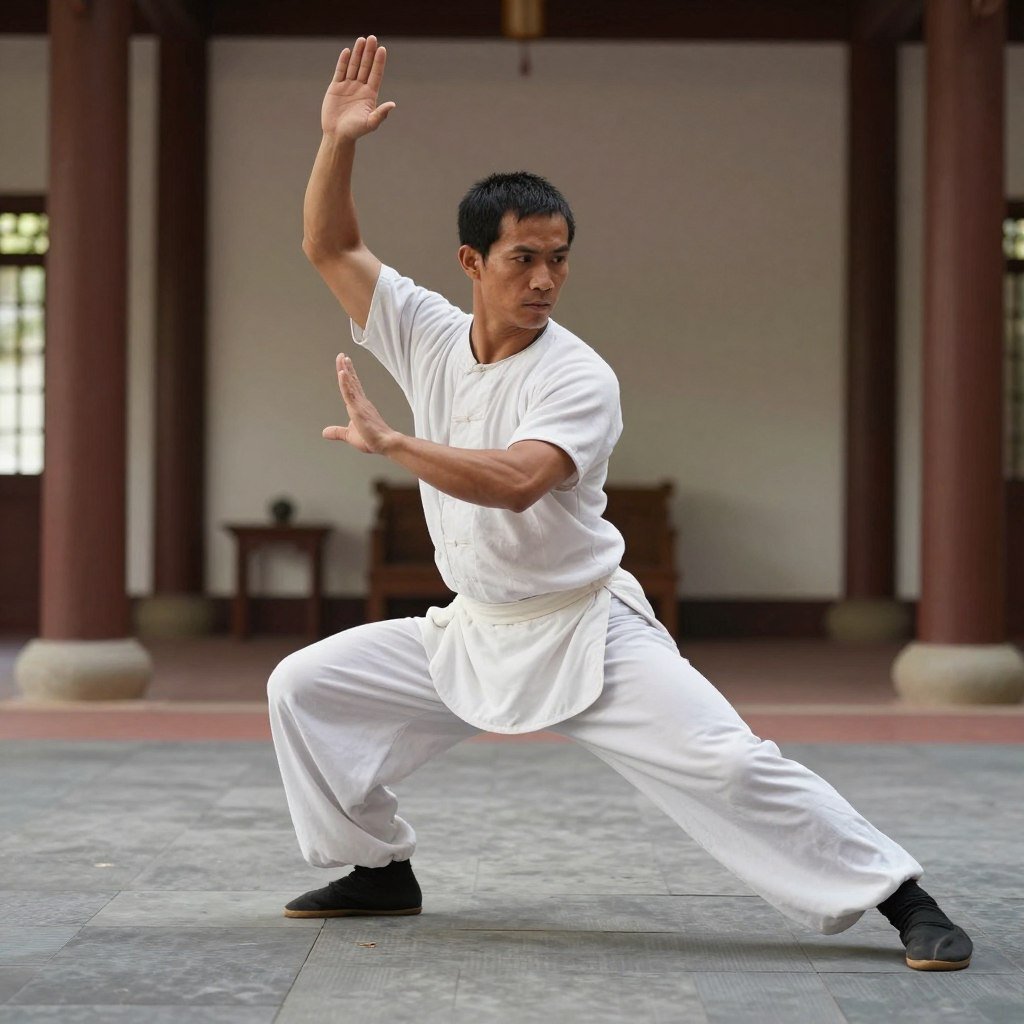
Water-based imagery can support lessons about relaxation and transition.
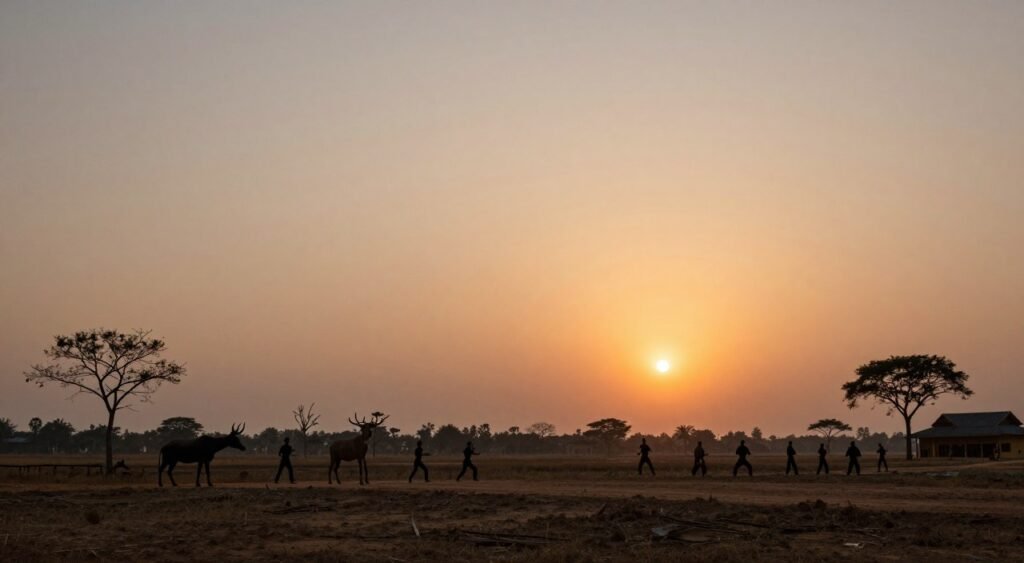
Nature provides a broad vocabulary for movement, discipline, and storytelling.
How Practitioners Train Animal Forms
Training begins with posture, breathing, mobility, and basic technique. A student may first learn how to stand, step, strike, block, fall, and recover. Animal imagery is added when the body can perform the foundation safely.Repetition builds memory. A teacher may break one form into sections, then connect the sections through rhythm. Students practice slowly before adding speed. Partners introduce distance and pressure, but controlled drills come before free fighting.Physical conditioning can include stance work, bodyweight exercises, running, pad work, and flexibility training. The purpose is not to create a dramatic performance. It is to help the practitioner keep good form when tired.
Traditional clothing can also carry meaning. The krama, or Cambodian scarf, may be worn as part of a school’s uniform or demonstration style. Its presence does not prove that every technique comes from an ancient battlefield. Clothing, ritual, and technique should be discussed separately.Training levels vary. One school may organize progress through colored scarves or ranks. Another may use teacher assessment and practical ability. There is no reason to assume that one ranking system represents every Bokator community.
Students should choose instruction carefully. Look for qualified teachers, safe practice, respect for Cambodian culture, clear explanations, and realistic claims. A class that promises secret ancient powers is less trustworthy than one that welcomes questions and shows sound training methods.
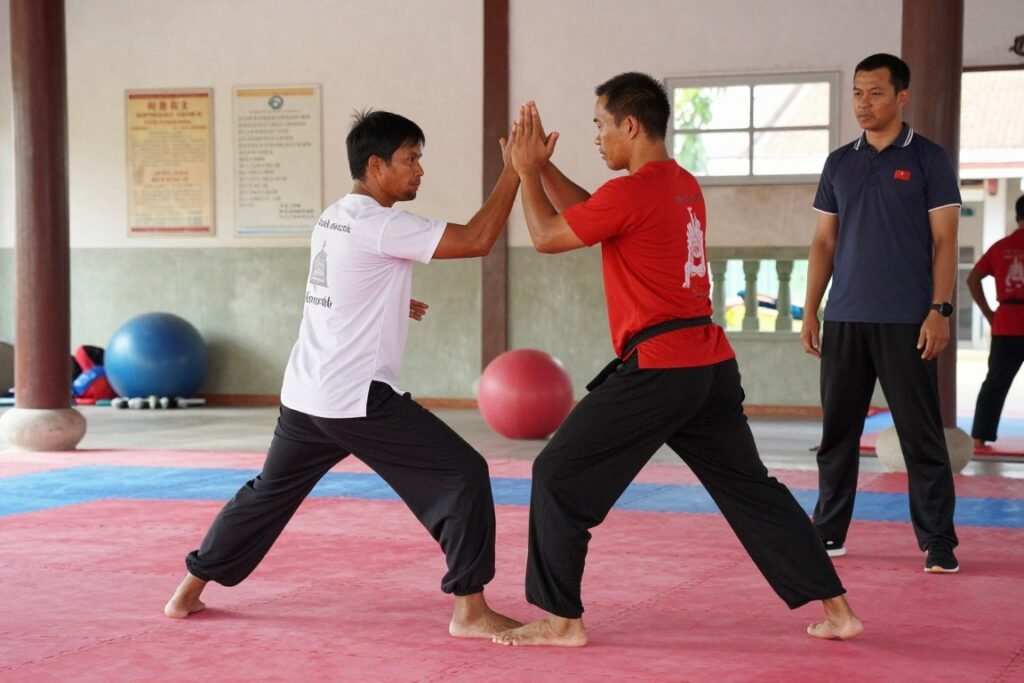
Partner drills add timing while keeping the learning environment controlled.
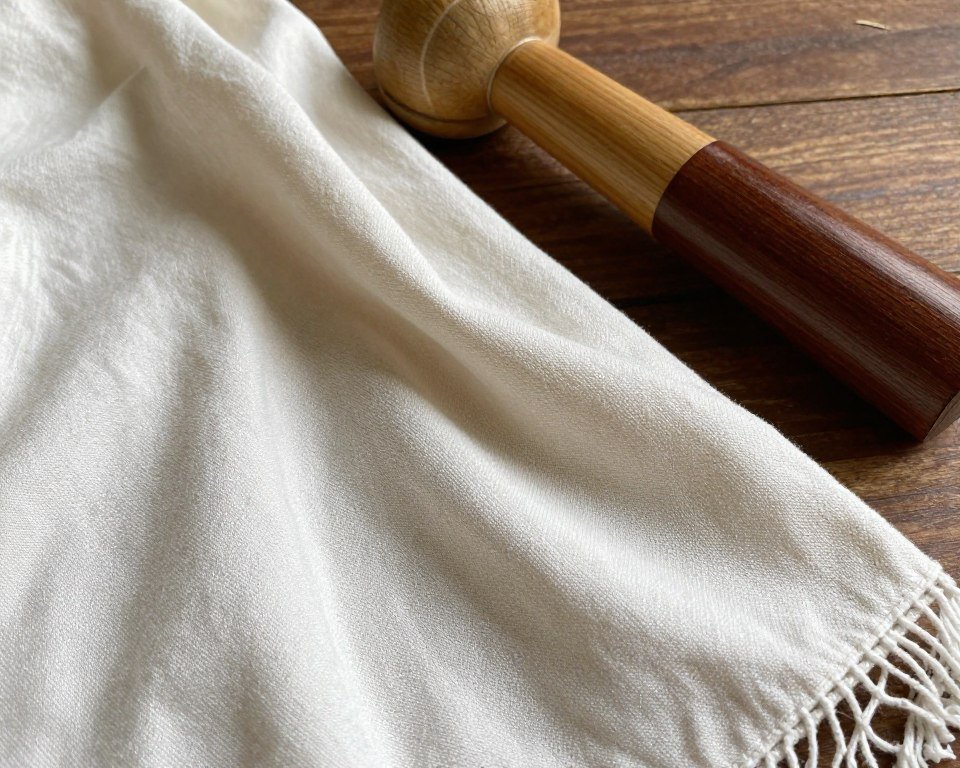
A scarf can be part of presentation and identity, but it is not a shortcut to historical certainty.
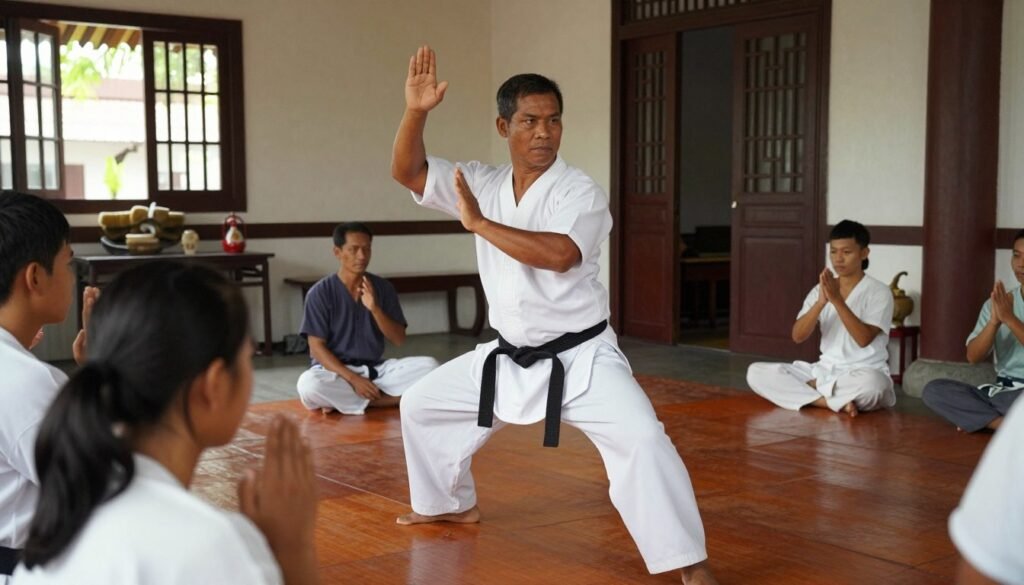
Good instruction makes the symbolic lesson clear and physically safe.
Symbolism, Storytelling, and Comparisons With Other Arts
Animal forms help preserve stories. A teacher can explain why a movement is low, why a step changes direction, or why patience matters. The story gives the body a reason to remember. This is especially useful when technical language differs between provinces or generations.Symbolism also links martial arts with Cambodian culture. Animals appear in architecture, religion, folklore, farming, and royal imagery. A form can hold several meanings at once: practical movement, moral lesson, performance quality, and cultural memory.
Other martial arts use animals too. Chinese systems may describe crane, tiger, snake, leopard, or dragon methods. Japanese traditions may use animal stories in particular schools or exercises. These parallels are useful for comparison, but they do not make the systems identical.The differences may involve history, vocabulary, posture, weapons, rules, teacher lineages, and social purpose. A Bokator form should be understood through Cambodian voices and practice rather than explained only through a foreign comparison.
There is also a difference between a named form and an animal quality. A school may use tiger language to teach pressure without having a formal sequence called “Tiger Form.” Another school may perform a named sequence in demonstrations. Both examples can be meaningful, but they should not be merged without evidence.
Research tip: When you see an exact number of forms, ask whether the number refers to one curriculum, one teacher’s method, a performance program, or a broader description of Bokator. Numbers are useful only when their scope is clear.
Modern Revival, Preservation, and the Bokator Federation
Modern Bokator exists through practice as well as public recognition. Teachers in Phnom Penh, Siem Reap, and other provinces pass on movements, vocabulary, etiquette, and stories. Martial artists may also demonstrate the art at cultural events, competitions, schools, and international gatherings.
The Cambodian Bokator Federation and other organizations have a role in coordination, events, athlete development, and public visibility. Organizations can help create shared standards, but a federation’s curriculum does not erase the variety found among individual teachers.Preservation has several parts. It includes recording oral history, supporting instructors, teaching young people, protecting safe practice, and giving Cambodian communities control over how the art is represented. A video or dramatic show can attract attention, but long-term survival depends on regular training.
UNESCO’s intangible cultural heritage framework is useful here. It recognizes living traditions carried by communities. It does not turn heritage into a museum object. Animal forms remain meaningful when practitioners continue to interpret, teach, and adapt them responsibly.
San Kim Sean, Kim Sean, and other martial artists are often mentioned in accounts of revival. Their work should be placed within a wider network of students, teachers, researchers, government bodies, cultural groups, and families. The story of preservation is stronger when it recognizes that shared effort.
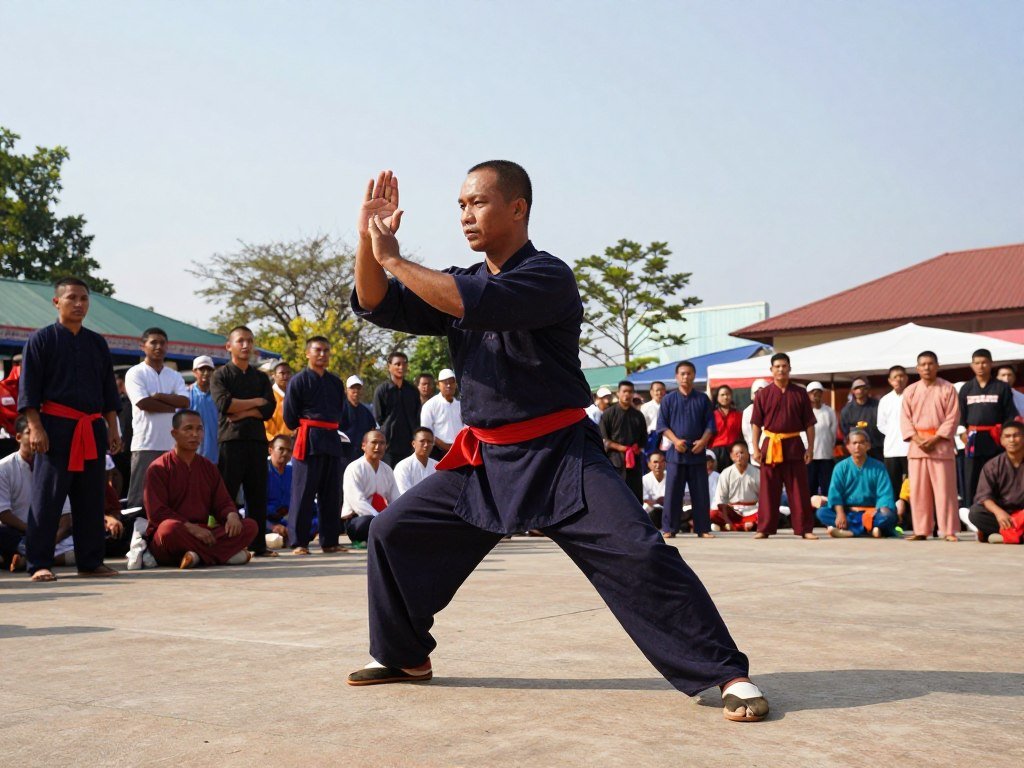
Public demonstrations can introduce the art to new audiences.
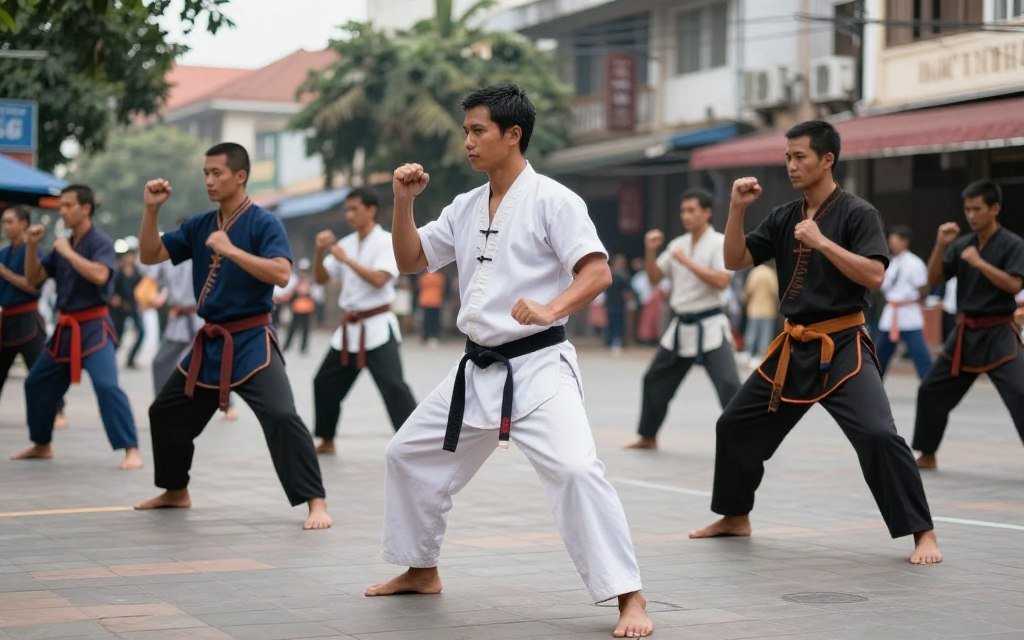
Training in Phnom Penh reflects the art’s modern urban revival.
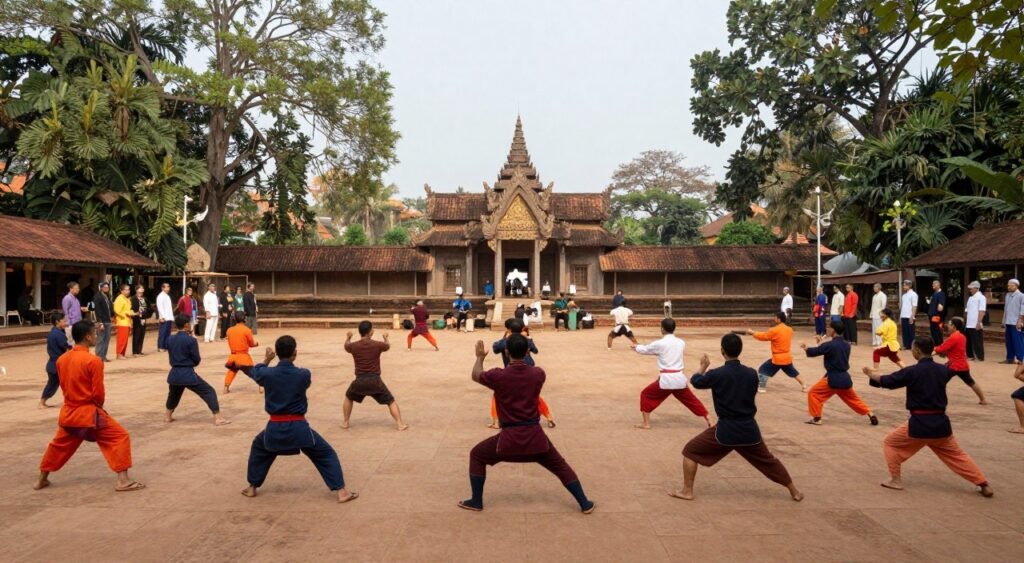
Siem Reap connects martial arts interest with Cambodia’s wider heritage landscape.
Frequently Asked Questions About the Animal Forms of Bokator
Is there one official list of Bokator animals?
No single public list should be treated as universal. Names, number, sequence, and meaning may vary among schools, teachers, and levels. A list can be accurate within one curriculum while being incomplete for another.
Are the animal forms only for performance?
No. Animal imagery can support practical lessons in footwork, balance, rhythm, timing, defense, striking, control, and ground fighting. Demonstration quality is only one part of the broader martial art.
Did ancient temple walls prove modern Bokator techniques?
Temple imagery provides valuable cultural and historical evidence about Khmer life and symbolism. It does not prove that a modern sequence, name, or technique existed in exactly the same form. Documented history and traditional accounts should be kept distinct.
What does the monkey form teach?
In representative teaching, the monkey can suggest agility, misdirection, changing angles, and quick recovery. The exact movements depend on the school and instructor. The purpose is practical adaptation, not literal animal imitation.
What does the tiger form teach?
The tiger commonly represents commitment, pressure, strong posture, and decisive entry. Responsible training also includes restraint, balance, and control. A tiger theme is not permission for uncontrolled aggression.
How can readers support Bokator?
Readers can learn from Cambodian sources, support qualified teachers, avoid sensational claims, respect community ownership, and share accurate information. Studying the art as living cultural heritage is more helpful than treating it as a collection of exotic fighting tricks.
Why Animal Forms Still Matter
The animal forms of Bokator connect technique with memory. Monkey, tiger, elephant, horse, crocodile, snake, bird, and other images give students different ways to understand speed, pressure, balance, patience, and change. They turn observation of nature into a language for movement.
The forms also show why Bokator is more than a set of fighting techniques. Its history includes Cambodian culture, temple imagery, oral teaching, survival after the Khmer Rouge, and modern work by martial artists and cultural organizations. Its future depends on practice that is accurate, safe, and respectful.
Readers should remain open to variation. A form may carry one name in Phnom Penh and another in a different province. A teacher may emphasize combat application, while another focuses on performance, story, or heritage. These differences do not automatically weaken the art. They show that a living tradition can contain many voices.
For anyone beginning research, the best CTA is simple: keep learning from credible Cambodian sources, ask careful questions, and approach Bokator with respect. The animals are memorable symbols, but the people who teach, preserve, and practice the art give those symbols their lasting meaning.